
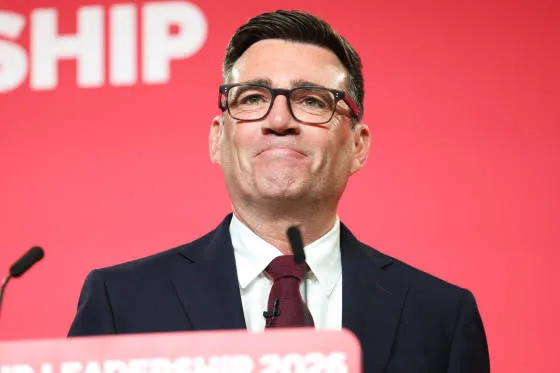
Andy Burnham has announced plans to grant English mayors a share of the income tax collected in their regions, marking what could become one of the most significant transfers of fiscal power from Westminster to local leaders in modern British history. The proposal forms a cornerstone of the new prime minister’s commitment to redistribute political and economic authority away from Whitehall, potentially reshaping the financial landscape of regional governance across England.
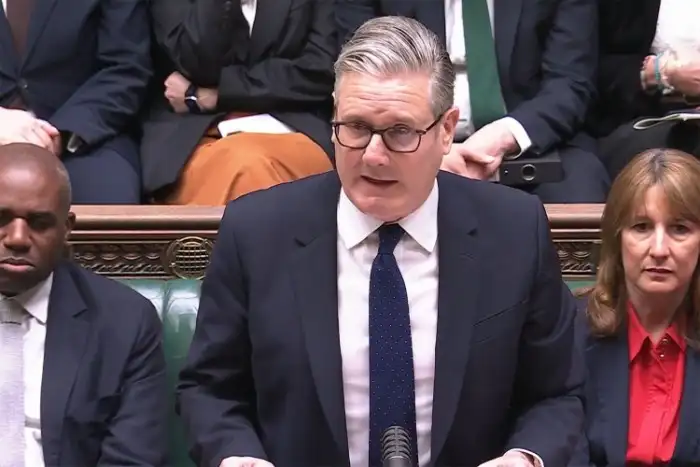
Under the proposed system, directly elected mayors would gain access to revenues generated within their own jurisdictions, providing them with substantial new resources to address local priorities without constant appeals to central government. The move represents a fundamental shift in how England is governed, giving city and regional leaders the kind of tax raising powers long enjoyed by devolved administrations in Scotland and Wales. Burnham, who has served as Mayor of Greater Manchester since 2017, has consistently advocated for greater financial autonomy for regional leaders, arguing that those closest to local communities are best placed to understand and respond to their needs.
The income tax sharing mechanism would likely work by allowing mayors to retain a percentage of the tax collected from residents and workers in their areas, though specific details about rates and implementation timelines have yet to be finalized. Such an arrangement could generate hundreds of millions of pounds annually for larger metropolitan areas, providing mayors with predictable, substantial funding streams for infrastructure projects, public transport improvements, and economic development initiatives. Smaller regions would benefit proportionally, though questions remain about how the government will ensure equitable distribution and prevent widening regional disparities.

Political observers view the announcement as a defining moment in the ongoing devolution debate that has gained momentum since the 2014 Scottish independence referendum. Successive governments have promised to address regional inequality and empower local decision makers, yet progress has often been incremental and uneven. By proposing to share income tax revenues, soing previously considered politically untouchable, the current administration appears willing to follow through on rhetoric with substantive reform. Critics, however, warn that without careful design, the policy could create a postcode lottery where wealthier areas thrive while economically struggling regions fall further behind.
Constitutional experts suggest the ces would require significant legislative effort and coordination with His Majesty’s Revenue and Customs to implement effectively. Questions about accountability, oversight mechanisms, and the potential for regional tax competition will need addressing before any system becomes operational. Additionally, concerns have been raised about how such devolution might affect the traditional Barnett formula used to calculate funding for Scotland, Wales, and Northern Ireland, potentially triggering demands for renegotiation from devolved administrations who may view the ces as altering the fiscal balance of the union.

Looking ahead, the success of Burnham’s proposal will likely depend on securing broad political consensus and demonstrating that empowering regional mayors can deliver tangible improvements in economic growth, public services, and quality of life. If implemented successfully, the income tax sharing model could serve as a blueprint for deeper devolution across England, fundamentally altering the relationship between central and local government. For communities long frustrated by decisions made in distant Westminster offices, the prospect of mayors wielding genuine fiscal clout represents both an opportunity and a test of whether localism can truly deliver the levelling up that has been promised for years.












Leave a comment