
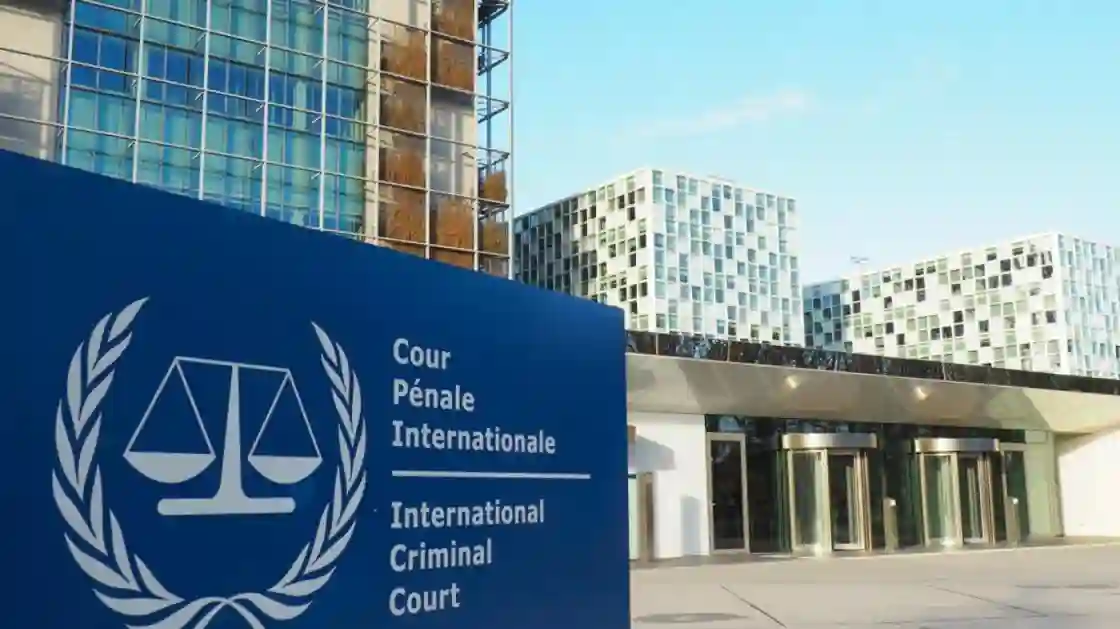
The International Criminal Court has terminated its long standing prosecution of a former Darfur militia leader after prosecutors made the extraordinary decision to withdraw all charges, marking another setback for the tribunal’s efforts to bring justice to victims of the Sudan conflict.

Judges at the court in The Hague formally ended proceedings against Abdallah Banda Abakaer Nourain on Thursday, closing a case that has languished for years without reaching a verdict. Nourain, who once commanded an armed group during the brutal Darfur conflict, had faced allegations of war crimes stemming from violence that devastated the western Sudanese region in the early 2000s. The withdrawal of charges by prosecutors signals a rare retreat for the court, which has struggled to secure convictions in several high profile African cases.
The Darfur conflict, which erupted in 2003, resulted in hundreds of thousands of deaths and displaced millions of civilians in what many international observers characterized as genocide. Multiple armed groups clashed with government backed militias in a complex web of violence that drew international condemnation and led to several ICC indictments. Nourain’s case represented one of the tribunal’s attempts to hold mid level commanders accountable for atrocities committed during the conflict’s bloost years.

Legal experts have long pointed to the ICC’s difficulties in prosecuting cases involving ongoing conflicts in regions where the court lacks enforcement power. Without a standing police force or military, the tribunal relies entirely on state cooperation to arrest suspects and gather evidence. These limitations have proven particularly acute in Sudan, where political inility and lack of cooperation from authorities have hampered multiple investigations. Witnesses become difficult to locate, evidence degrades over time, and suspects often remain beyond the court’s reach.
The decision to withdraw charges rather than proceed to trial suggests prosecutors determined they could no longer meet the evidentiary burden required for a conviction. Such withdrawals are uncommon at the ICC and typically occur only when the strength of the case has deteriorated significantly due to witness unavailability, death, or other insurmountable obstacles. Court officials did not provide detailed reasoning for the withdrawal, though procedural documents are expected to offer more clarity in coming weeks.

Looking forward, the termination of proceedings against Nourain raises broader questions about the ICC’s capacity to deliver justice in protracted conflicts where state cooperation remains elusive. Victims’ advocacy groups have expressed frustration with the court’s track record in African cases, while supporters argue the tribunal faces structural challenges no international body could easily overcome. As Sudan continues to grapple with political turmoil and renewed violence, the prospect of accountability for Darfur’s darkest chapter grows increasingly uncertain, leaving thousands of victims still waiting for their day in court.












Leave a comment