
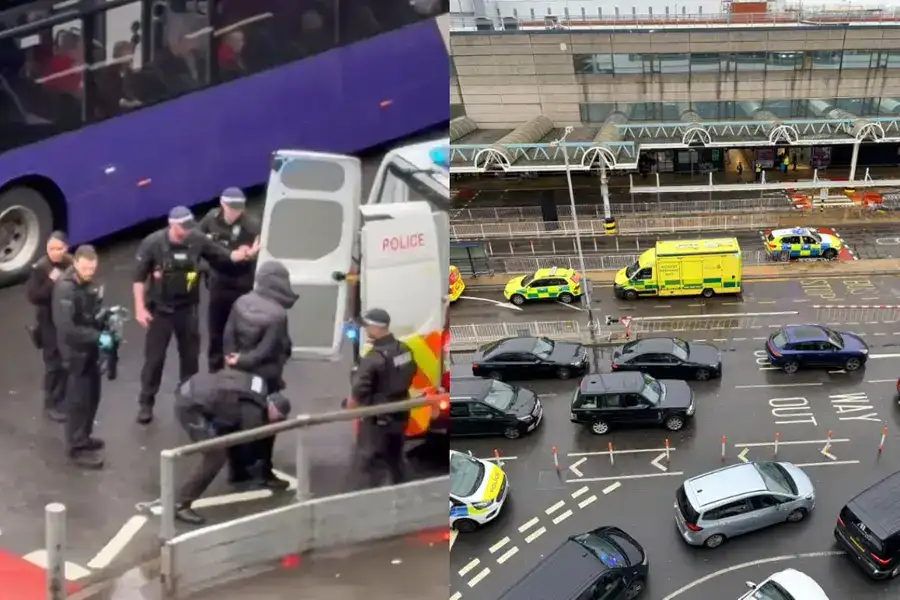
British holidaymakers are confronting a new reality at European airports as border control wait times have tripled under recently implemented EU security measures, transforming what was once a straightforward arrival process into an hours long ordeal. Travellers from the United Kingdom, now subject to enhanced screening as third country nationals following Brexit, are bearing the brunt of congestion that experts warn could worsen during peak summer travel periods. Frustration is mounting among passengers who find themselves caught in sprawling queues that snake through terminal buildings, threatening carefully planned holiday itineraries and testing the patience of even the most seasoned travellers.

The delays stem from stricter passport controls introduced across the European Union, requiring more thorough documentation checks and biometric data collection for non EU citizens. Where passengers might previously have cleared immigration in fifteen to twenty minutes, many now report waiting upwards of an hour or more at major hubs including airports in Spain, France, and Italy. Travel industry analysts point to a perfect storm of contributing factors: understaffed border posts, technological teething problems with new scanning equipment, and the sheer volume of British tourists who continue to favour Mediterranean destinations despite the administrative hurdles. Airlines and tour operators have begun advising passengers to factor in significantly longer connection times, fundamentally altering the economics and appeal of short European breaks.
Airport authorities across the continent have acknowledged the challenges but maintain that enhanced security protocols are necessary for maintaining border integrity within the Schengen Area. Officials in Brussels defend the measures as essential safeguards in an era of heightened security concerns, arguing that temporary inconvenience serves longer term safety objectives. Yet critics counter that inadequate preparation and insufficient staffing have exacerbated problems that were entirely foreseeable. Consumer advocacy groups are calling for urgent investment in automated border technology and increased personnel during summer months, when passenger volumes can double or even triple compared to off peak periods. Some airports have experimented with dedicated lanes and enhanced staffing, but implementation remains patchy and inconsistent across member states.

British travellers accustomed to seamless European travel are now confronting the practical consequences of post Brexit border arrangements. While political leaders promised that new relationships would eventually streamline processes, the current reality falls considerably short of those assurances. Families arriving for fortnight holidays in popular destinations like the Costa del Sol or the Algarve describe scenes of chaos, with children becoming restless and elderly passengers struggling in crowded queue areas with limited seating or facilities. Business travellers dependent on quick turnarounds for meetings in European capitals are reconsidering their travel arrangements, with some opting for video conferences rather than risk missed connections or late arrivals. Tourism boards in Britain have noted a modest uptick in domestic holiday bookings, suggesting some travellers are choosing to avoid continental complications altogether.
Industry insiders predict the situation may deteriorate further when the EU’s Entry/Exit System fully launches, requiring even more detailed biometric registration for all non EU visitors. That system, delayed multiple times but expected to come online within the next year, will mandate fingerprint and facial recognition scans for British passport holders on each entry and exit from the Schengen zone. Travel associations are pressing governments on both sides of the Channel to negotiate bilateral agreements that might ease bottlenecks, though political appetite for such compromises remains uncertain. Meanwhile, savvy travellers are already adapting their strategies: booking flights with longer layovers, choosing less congested regional airports over major hubs, and timing arrivals during off peak hours to minimize exposure to the longest queues.

Looking ahead, resolution of border chaos will require coordinated action between EU institutions, individual member states, and transportation stakeholders who share responsibility for passenger experience. Without substantial investment in infrastructure and personnel, current delays risk becoming the new normal rather than temporary growing pains. For millions of British families who have traditionally viewed European holidays as accessible and straightforward, these extended wait times represent more than mere inconvenience. They signal a fundamental shift in the relationship between Britain and its nearest neighbours, where borders once barely noticed now loom large in travel planning. Whether political will exists to address these friction points, or whether travellers must simply accept longer journey times as the price of diverged regulatory systems, remains one of the most pressing questions facing the tourism industry in the months and years ahead.













Leave a comment