
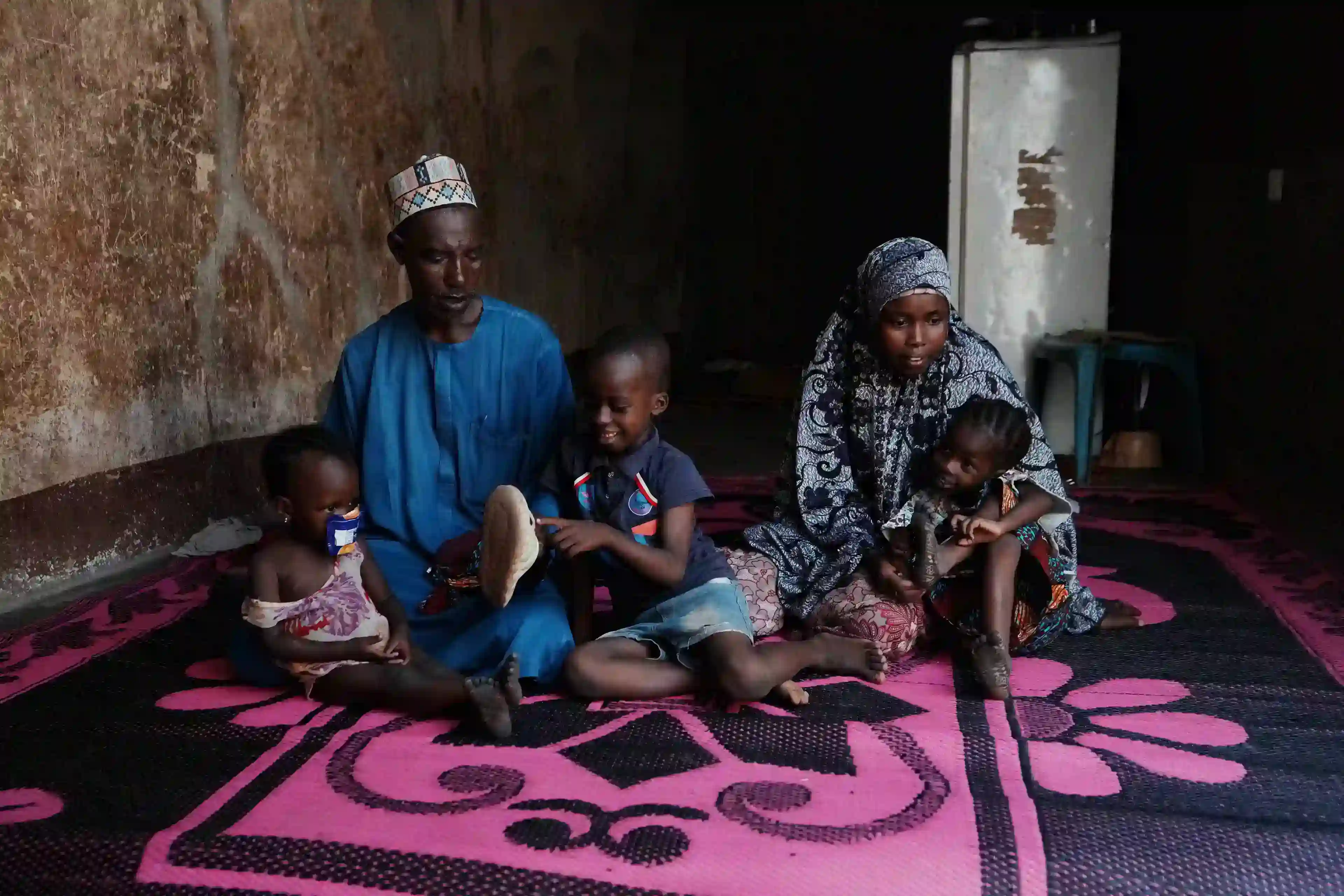
When Maryam Aminu learned that her youngest child had been diagnosed with malnutrition for the second time in April, she felt a familiar mix of dread and resignation. The 18 month old was barely receiving regular meals, much less the nutritious food she desperately needed to survive. For families like hers in northwest Nigeria, the diagnosis was not a shock but an inevitable consequence of deepening poverty.
The Aminu family had always faced economic hardship, but their circumstances took a sharp turn for the worse in February when Maryam’s husband Shehu lost his job as a taxi driver. Soaring petrol prices, triggered by the escalating conflict in Iran, made his work financially impossible. Now, sitting in their sparse two bedroom home in the quiet town of Kware in Sokoto state, Maryam watched ash from a coal stove drift through the air as she explained the impossible choices confronting her family. Times are tough, she said, and consistent food has become a luxury they cannot afford.
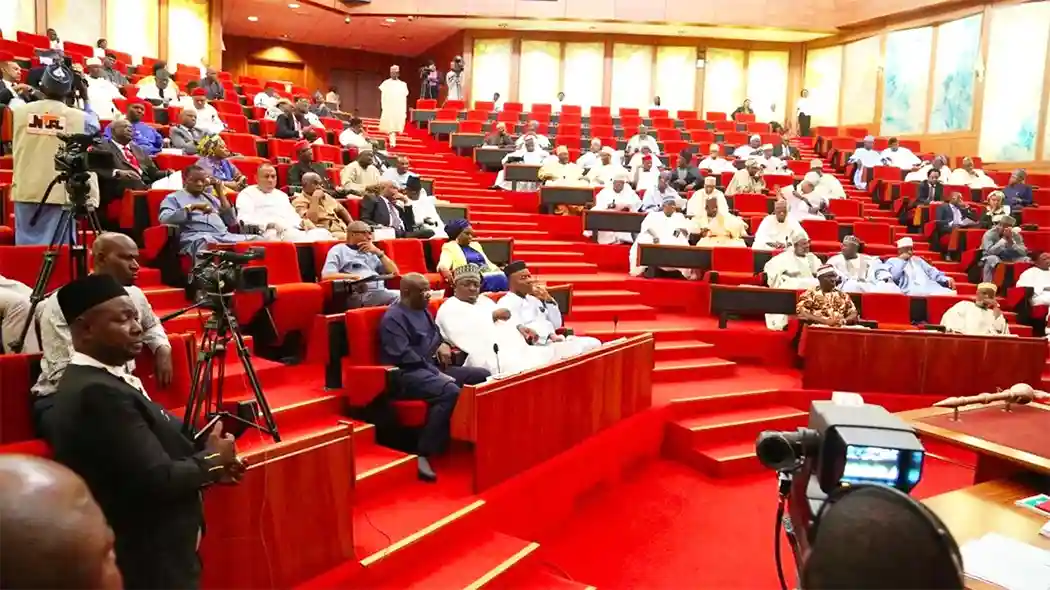
Across northern Nigeria, one of the world’s most impoverished regions, cases of children relapsing into malnutrition have surged at an alarming rate. Local health workers and humanitarian organizations report that the ripple effects from the Iran war have devastated food security for millions already struggling under the weight of an ongoing insurgency crisis. President Bola Tinubu’s sweeping economic reforms, including the removal of fuel subsis three years ago and a sharp currency devaluation, had already sparked runaway inflation before the Middle East conflict began. Now, those twin pressures have created a perfect storm of deprivation.
A technical report released this week by the World Bank painted a grim picture of the crisis, revealing that 139 million Nigerians now live in poverty or teeter on its edge. UNICEF warned in its own assessment that if fighting in the Middle East continues, an additional 23.4 million children globally could fall into monetary poverty by year’s end, defined as lacking adequate income or consumption. At least 80 percent of those children, the agency cautioned, would be concentrated in Africa and Asia, regions already bearing disproportionate burdens of global inility.
Children are paying an unconscionable price for geopolitical conflicts they had no role in creating. Northern Nigeria’s vulnerability stems from its dependence on imported fuel and food commodities, both of which have seen dramatic price increases since hostilities began thousands of miles away in Iran. Families that once scd by now find themselves unable to meet basic nutritional needs. Medical facilities report overcrowding as malnourished children arrive in waves, many suffering from conditions that could have been prevented with le access to food.

Looking ahead, experts warn that without immediate intervention and a resolution to the Iran conflict, Nigeria faces a generation scarred by malnutrition and its lifelong consequences. Cognitive development, physical growth, and educational outcomes all suffer when children lack proper nutrition during critical early years. International aid organizations are calling for emergency food assistance and economic support, but the scale of need far exceeds current resources. What happens in the coming months will determine whether millions of Nigerian children can recover from this crisis or whether an entire generation will bear the permanent costs of distant wars and failed economic policies.


















Leave a comment