
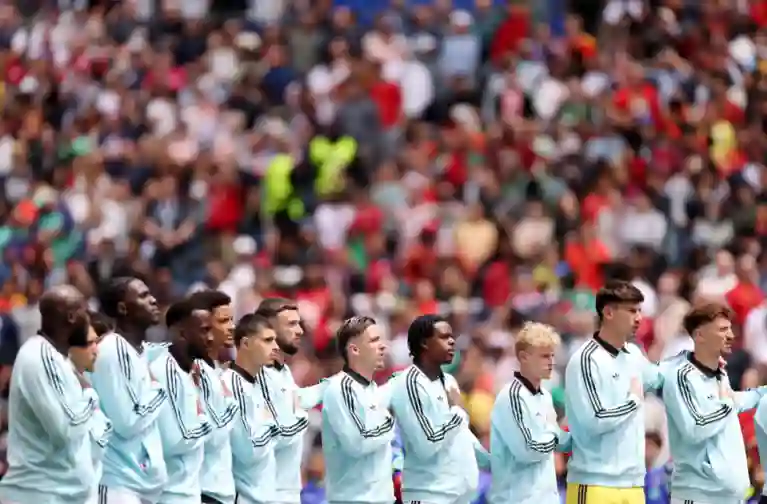
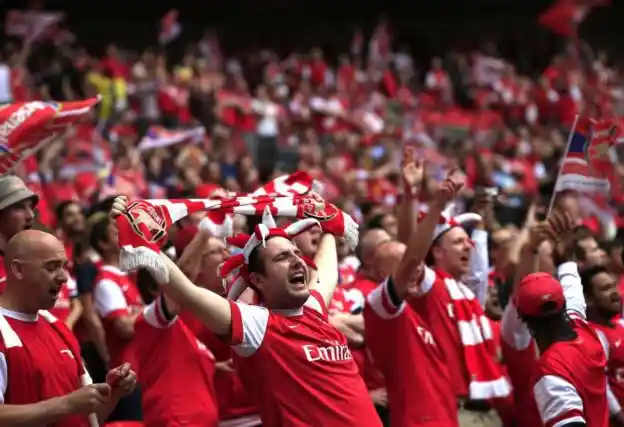
When the final whistle blew on what can only be described as a comprehensive dismantling, Belgian supporters gathered in Washington’s sports bars erupted with a satisfaction that transcended mere athletic triumph. For these fans, the lopsided victory represented soing far more meaningful than three points or a spot in the next round. It was vindication.
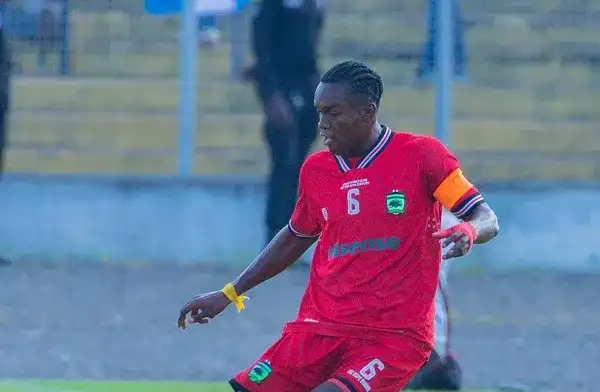
The Balogun controversy continues to roil political and sporting circles in Brussels, where questions about eligibility, national identity, and competitive fairness dominate headlines and parliamentary debates alike. European media outlets have devoted endless column inches to parsing the intricacies of the dispute, with opinion writers weighing in on everything from FIFA regulations to the broader implications for Belgian national pride. Yet across the Atlantic, American aunces have largely shrugged at what they perceive as arcane bureaucratic squabbling, their attention already captured by newer storylines and fresh controversies.
For the Belgian expatriate community and their American supporters who have adopted the Red Devils as their own, this divergence in attention has been both frustrating and illuminating. Many have spent weeks attempting to explain the nuances of the situation to colleagues and friends, only to be met with polite indifference or confusion. The crushing on field performance, however, required no translation or contextualization. Goals speak a universal language.
Political analysts who track transatlantic relations suggest the episode reveals deeper truths about how sporting controversies resonate differently across continents. European football carries cultural and political weight that American sports fans, accustomed to commissioner rulings and salary cap disputes, simply process through a different lens. Where Brussels sees questions of national heritage and competitive integrity, Washington sees procedural minutiae better left to governing bos.
Local Belgian American community leaders have noted an uptick in attendance at viewing parties since the controversy began, suggesting that even negative attention can galvanize diaspora communities. Restaurant owners in Georgetown and Dupont Circle report that Belgian flags and scarves, once rare sights outside of World Cup years, now appear with regularity. What began as a defensive posture against perceived slights has evolved into soing approaching assertive pride.

As the tournament progresses and new narratives emerge, the Balogun affair will likely fade further from American consciousness even as it continues to simmer in European discourse. For Belgian supporters in Washington, the emphatic victory has already served its purpose, transforming a season of defensive explanations into an evening of unambiguous celebration. Whether that momentum carries forward may depend less on revisiting old controversies and more on delivering similar performances when the stakes grow higher and the world is watching.















Leave a comment