

Oil markets endured a punishing session Friday as crude prices plummeted 4 percent to $69.05 per barrel, extending a selloff that reflects growing concerns about demand destruction in the face of persistent economic headwinds. The sharp decline came as US stock markets struggled for direction, with major indices posting only marginal gains despite brief rallies in healthcare and precious metals sectors.

Consumer sentiment data offered a sliver of optimism amid otherwise turbulent trading conditions. The University of Michigan’s closely watched consumer sentiment index climbed to 49.5 in June, up from a preliminary reading of 48.9, though the final figure still fell short of economist expectations of 50. The subdued reading underscores the cautious mood gripping American households as they navigate elevated living costs and uncertain employment prospects. While any improvement in confidence metrics typically signals potential strength in consumer spending, readings below 50 historically indicate deep pessimism about economic conditions.
Equity markets presented a mixed picture as traders weighed competing signals from various sectors. The Dow Jones Industrial Average edged up 0.06 percent to 51,948.08, while the S&P 500 gained 0.14 percent to close at 7,367.95. Technology stocks struggled to find momentum, with the NASDAQ advancing just 0.01 percent to 25,359.30. Healthcare emerged as the session’s clear winner, surging 2.8 percent on strong sector rotation, while industrial stocks bore the brunt of selling pressure with a 0.9 percent decline.

Precious metals attracted safe haven flows as investors sought refuge from equity volatility and commodity weakness. Gold climbed 1.2 percent to $4,096.00 per ounce, while silver advanced 1.4 percent to $59.16. Copper, often viewed as a barometer of global economic health, rose 2.1 percent to $6.2025, suggesting some market participants retain optimism about infrastructure demand and manufacturing activity despite broader concerns.
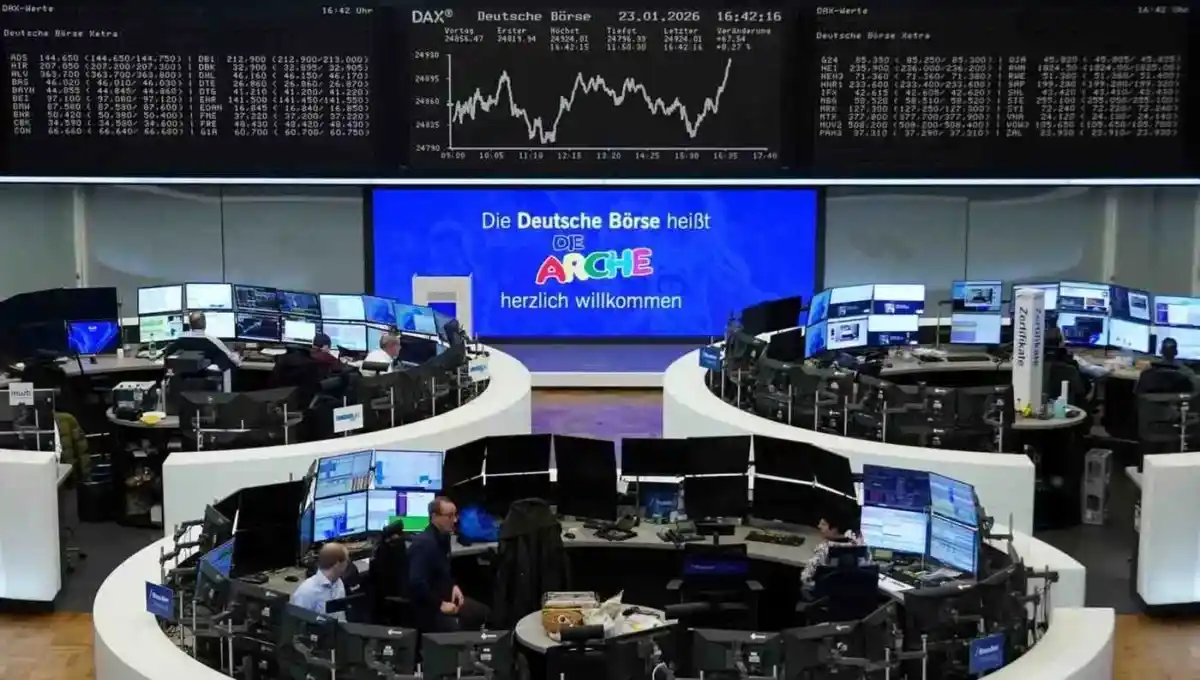
International markets fared considerably worse than their American counterparts, with steep losses across both European and Asian trading sessions. European bourses closed decisively lower, led by Germany’s DAX, which tumbled 1.3 percent. Asian markets absorbed even heavier punishment, with Japan’s Nikkei 225 plunging 4.15 percent in what analysts described as a technical correction following an extended rally. Hong Kong’s Seng Index dropped 1.76 percent, while China’s Shai Composite fell 2.26 percent as concerns about the pace of economic recovery in the world’s second largest economy weighed on sentiment.
Looking ahead, market participants will be closely monitoring upcoming economic data releases and central bank communications for clues about the trajectory of monetary policy and growth prospects. The divergence between modest consumer sentiment improvements and sharply falling oil prices suggests investors remain deeply uncertain about demand conditions in coming months. Whether crude’s decline reflects oversupply concerns or genuine fears about economic contraction will likely become clearer as second quarter earnings season approaches and companies provide updated guidance on consumer behavior and spending patterns.


















Leave a comment