
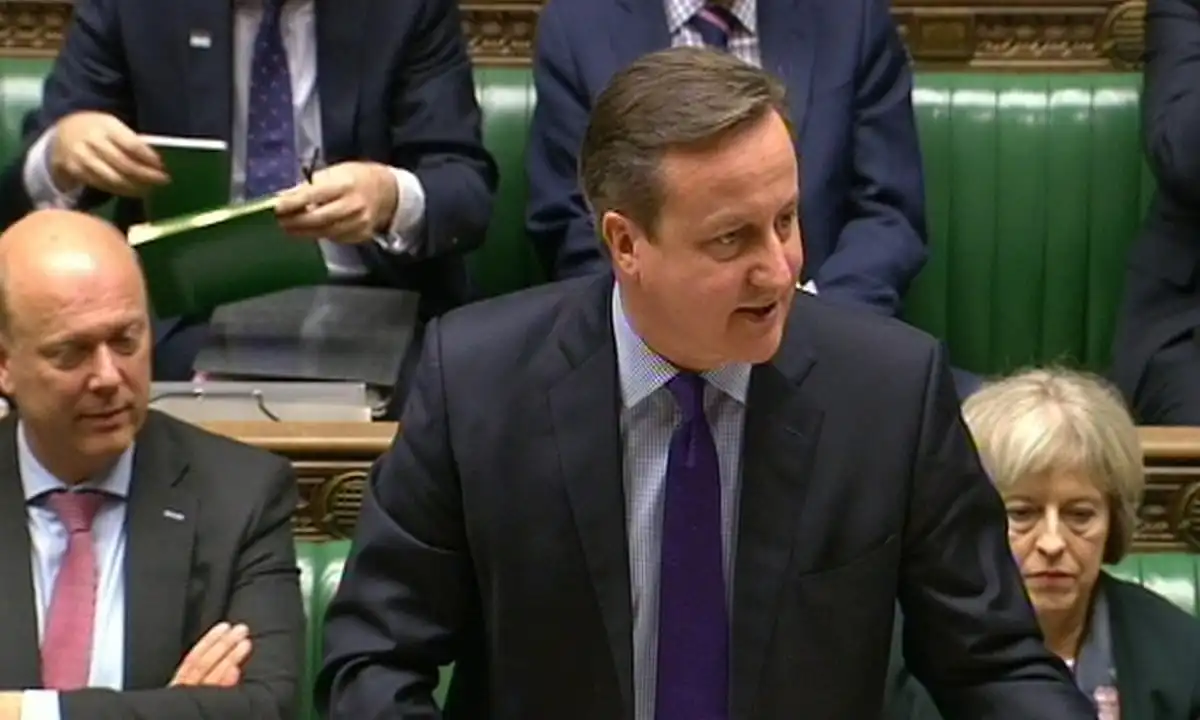
Former Conservative Prime Minister David Cameron has delivered a pointed critique of his Labour successor, arguing that Keir Starmer’s greatest failure was taking office without a comprehensive blueprint for governing a United Kingdom still reeling from years of post Brexit uncertainty. Speaking at the McKinnon Prize event in Canberra on Wednesday night, Cameron addressed the political inility that has seen Britain cycle through six prime ministers in a decade.

Cameron, who participated via video link from London, emphasized that successful leadership requires more than good intentions. He described Starmer as a well meaning, hardworking, and decent man but argued that the Labour leader squandered his time in opposition by failing to develop detailed policy frameworks. According to Cameron, Starmer entered Downing Street unprepared to communicate the difficult choices facing the nation or to build public support for necessary reforms. Politics and leadership, Cameron insisted, depend on consistent communication and the ability to bring citizens along on the journey of ce.
The remarks came on the tenth anniversary of Cameron’s own resignation following the 2016 Brexit referendum, a vote that fundamentally altered Britain’s relationship with Europe and set off a cascade of political turbulence. Despite this legacy, Cameron pushed back against suggestions that Britain had become ungovernable, instead arguing that traditional centrist parties must deliver tangible results to counter the rising tide of populism sweeping across Europe, the United States, and Australia. He acknowledged that liberal democracy has struggled to address the underlying issues fueling populist movements.

Cameron called for unprecedented cooperation between centre left and centre right parties, suggesting that the old model of constant partisan warfare no longer serves democratic societies facing complex challenges. He argued that governments need the capacity for cross party collaboration and policy consistency, rather than reflexively dismantling the initiatives of predecessors. Finding merit in opponents’ work, he suggested, would strengthen democratic governance rather than weaken it. Such bipartisanship becomes essential when addressing long term challenges that extend beyond single election cycles.
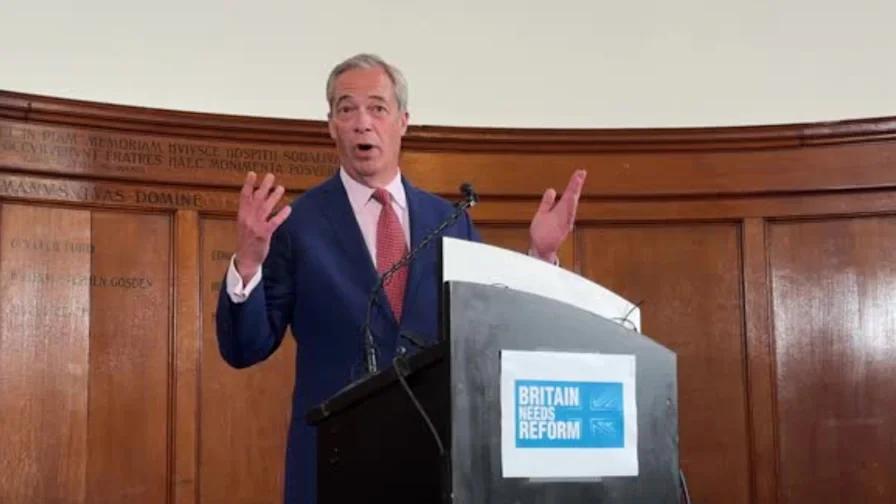
While acknowledging that Australia faces different pressures than the United Kingdom, particularly regarding migration, Cameron identified economic insecurity and social media amplification of division as universal drivers of political anger. He cautioned against simply ing populist leaders, noting that many thrive on confrontation and opposition. Instead, Cameron urged mainstream politicians to recognize that populist movements emerge from genuine insecurities felt by ordinary citizens, not merely from the ambitions of individual figures like Donald Trump or Nigel Farage. Dismissing these concerns or attributing them solely to demagogues, he warned, only creates more space for extremism to flourish.

Cameron’s intervention reflects broader anxieties within centrist political circles about the durability of liberal democratic institutions in an age of polarization and rapid ce. As governments worldwide struggle with similar challenges of public trust, economic dislocation, and technological disruption, his call for a new model of cooperative governance may gain traction among politicians seeking alternatives to the current cycle of inility. Whether mainstream parties can forge such alliances while maintaining their distinct identities remains one of the central questions facing democratic politics in the years ahead.

















Leave a comment