

British democracy faces an unprecedented threat as artificial intelligence turbocharged disinformation leaves the overwhelming majority of voters unable to tell what is real and what is fabricated. A stark new survey reveals that just 3 per cent of the public find it very easy to identify whether a video online is genuine or generated by AI, raising urgent questions about the integrity of elections as the country prepares for a critical by-election in Makerfield next week.

Full Fact, the UK’s leading fact-checking charity, has issued a stark warning in its 2026 annual report that the nation’s democratic information environment is under immense and increasing strain. Chris Morris, chief executive of the organisation, cautioned that Britain risks falling behind other democracies that are adopting coordinated approaches to combat the crisis. Decisions taken now, he insisted, will determine whether future elections are defined by confusion and mistrust or by clarity and democratic resilience. Other nations facing similar pressures are moving toward frameworks built around transparency, preparedness and accountability, while the UK continues to respond in a piecemeal and reactive manner.
Polling conducted by YouGov for Full Fact reveals the scale of public anxiety, with 80 per cent of respondents expressing concern about political misinformation. Nearly half the population, some 48 per cent, report that political disinformation has already eroded their trust in core institutions including government and parliament. Even more damning, two thirds of those surveyed believe ministers are doing too little to address the proliferation of AI generated falsehoods that now flood social media feeds and news environments.

Recent reporting revealed that approximately 16.5 million UK adults, nearly one in three citizens, were exposed to political deepfakes in the month preceding May’s English local elections. Deepfakes, which are digitally created or altered videos, images and audio recordings, have surged dramatically over the past year. Full Fact documented a sixfold increase in AI assisted misinformation between November 2024 and October 2025, with the number of fact checks involving suspected AI involvement rising from four to at least 27 in that period. An investigation by the charity uncovered examples of AI overviews repeating debunked social media claims, fabricating information about world events, and failing to identify synthetic content or video game footage as fake.
Electoral law has failed to keep pace with the realities of modern campaigning, according to Full Fact’s assessment. Voters deserve to know who is paying for political advertisements and when deepfakes are being deployed to manipulate public opinion. Government missed opportunities to strengthen safeguards before May’s local elections and the upcoming Makerfield contest, though measures could still be implemented ahead of the next general election. Certain policy areas prove particularly vulnerable to manipulation, with crime, immigration and the economy emerging as frequent targets for misinformation campaigns. Misleading use of genuine information, the report notes, has become more common than outright fabrication.
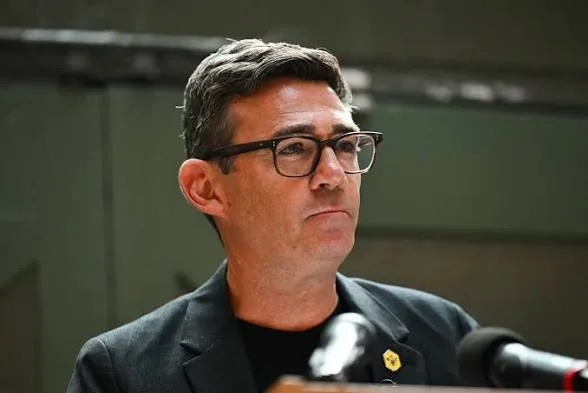
Next week’s Makerfield by-election carries exceptional significance, with Labour candidate Andy Burnham having declared his intention to challenge Sir Keir Starmer for party leadership should he win the seat. The contest could potentially reshape British politics and determine the country’s next prime minister. Yet voters heading to polling stations will do so in an information landscape that has become treacherous to navigate, where synthetic content can be virtually indistinguishable from reality and where trust in democratic institutions continues to erode. Without urgent action to elish robust transparency requirements and accountability mechanisms, future elections risk becoming exercises in confusion rather than expressions of informed democratic choice.















Leave a comment