
As political permutations intensify ahead of the 2027 general elections, the battle for senatorial tickets under the All Progressives Congress in Delta State is shaping up to be less about individual popularity and more about party structure and strategic alliances.
Political observers say the influence of Governor Sheriff Oborevwori will play a decisive role in determining who secures the party’s tickets across Delta North, Delta Central, and Delta South, unless there is intervention from President Bola Ahmed Tinubu.
Delta North: Okowa Challenges Nwoko
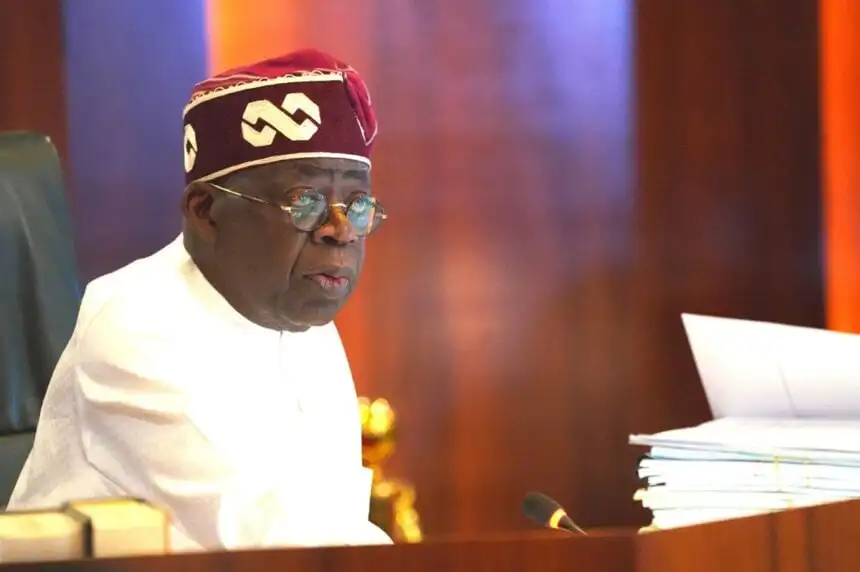
In Delta North, the contest is heating up between incumbent Senator Ned Nwoko and former governor Ifeanyi Okowa, with Victor Ochei also in the mix.
Okowa’s entry into the race has significantly altered the dynamics, leveraging his political experience, network, and influence. Analysts believe his alignment with the current state structure gives him an edge, despite lingering resentment from his past political decisions, particularly his 2023 vice presidential bid.
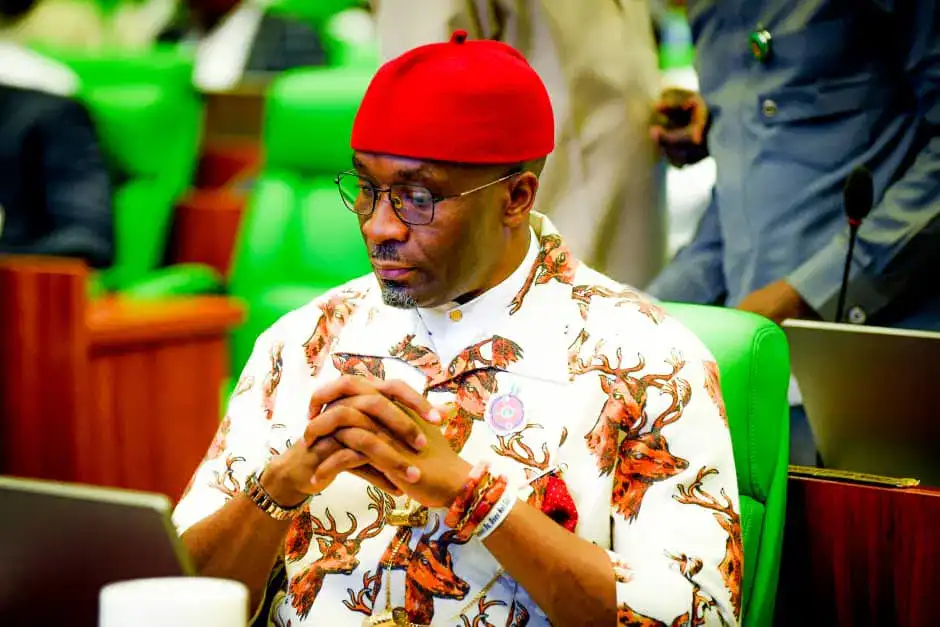
For Nwoko, securing support from the presidency appears to be his strongest path to clinching the ticket, as internal party forces may not be in his favor.
Delta Central: Omo Agege Faces Dafinone Battle
The Delta Central race presents a direct contest between former Deputy Senate President Ovie Omo Agege and incumbent Senator Ede Dafinone.
With both candidates now under the same APC platform, attention has turned to the governor’s stance. Political signals suggest that the party structure may tilt toward Dafinone, especially given local dynamics within the Okpe political bloc and strategic considerations for future power rotation.
Omo Agege’s national profile and connections remain significant, but insiders suggest these may not outweigh internal party alignments at the state level.
Delta South: Thomas in Strong Position
In Delta South, Senator Joel Onowakpor Thomas appears to be in a relatively comfortable position ahead of the primaries.
Unlike other districts, the absence of strong opposition and existing political understandings among key ethnic groups have strengthened his chances. The longstanding Ijaw Isoko alliance and zoning considerations ahead of the 2031 governorship are seen as critical factors shaping the race.
Support from influential groups such as the Isoko Development Union further consolidates Thomas’s standing, making him a frontrunner for the ticket.
Structure Over Popularity
Across the three districts, a common theme emerges: party structure and political loyalty may outweigh individual merit, popularity, or track record. Analysts warn that internal party decisions and strategic calculations will ultimately determine the APC’s candidates in Delta State.
With high stakes and complex alliances at play, the coming months are expected to witness intense lobbying, negotiations, and possible interventions that could reshape the final outcome of the 2027 senatorial contests.









Leave a comment