
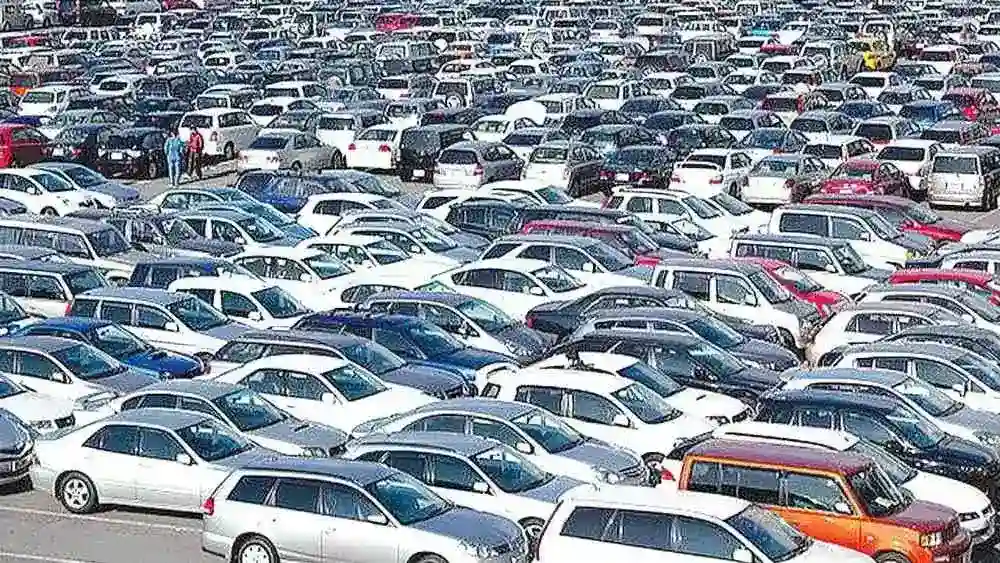
At a time when many Nigerians are striving for convenience and mobility, the rising influx of accident damaged imported vehicles is creating a silent safety crisis. For 28 year old Star Okigwe, what seemed like a dream purchase quickly turned into a nightmare after his newly acquired foreign used Toyota broke down within months. A mechanic later revealed the car had been severely damaged abroad and poorly repaired before being shipped into Nigeria.

Stories like his are becoming increasingly common. While some buyers like businessman Ekundayo Japheat take precautions by involving professional mechanics, many unsuspecting Nigerians fall victim to refurbished vehicles with hidden accident histories.
Industry authorities such as the National Motor Vehicle Title Information System and the Insurance Information Institute classify such vehicles as salvage cars, often written off due to the high cost of repairs. Experts warn that these vehicles may suffer from structural weaknesses, hidden faults, and compromised safety systems.

A 2023 study published in BMC Public Health found that declining vehicle quality significantly contributes to road deaths in Nigeria, sometimes even more than poor road conditions.
Investigations reveal that Nigeria’s import system does not explicitly ban accident vehicles. According to stakeholders, these cars are cheaper to acquire and repair, making them attractive to dealers seeking profit and buyers looking for affordability. However, this economic advantage comes with serious risks.
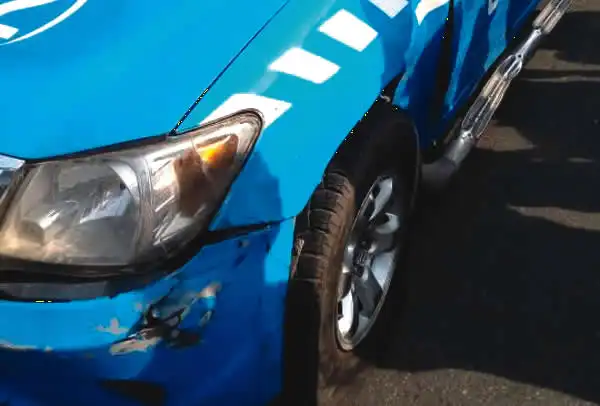
At major car hubs in Lagos, accident vehicles are routinely restored through panel beating, rewiring, and mechanical fixes, often masking their true condition. Some repairs involve cutting and rejoining vehicle structures, making defects nearly impossible to detect without expert inspection.
Regulatory gaps further worsen the situation. While agencies like the Nigeria Customs Service focus on import duties and documentation, responsibility for roadworthiness lies with inspection bos, creating oversight challenges.
Experts warn that without stricter enforcement, quality control, and improved public awareness, the continued influx of these vehicles could lead to more road accidents and fatalities. They also stress the need for investment in local automobile production and better public transportation as long term solutions.














Leave a comment