
Stakeholders in Nigeria’s non oil export sector have called for the elishment of a unified one stop export processing system to tackle regulatory bottlenecks, reduce operational costs, and improve the country’s competitiveness in global markets.
The demand was made during a policy roundtable focused on enhancing market access for non oil exports under frameworks such as the African Continental Free Trade Area and the Developing Countries Trading Scheme. The event brought together policymakers, regulators, development partners, and private sector stakeholders to discuss challenges and propose actionable reforms.
National President of the Network of Practicing Non Oil Exporters of Nigeria, Ahmad Rabiu, highlighted key structural barriers affecting exporters. These include weak infrastructure, limited capacity to meet international quality standards, and inefficiencies within regulatory institutions.

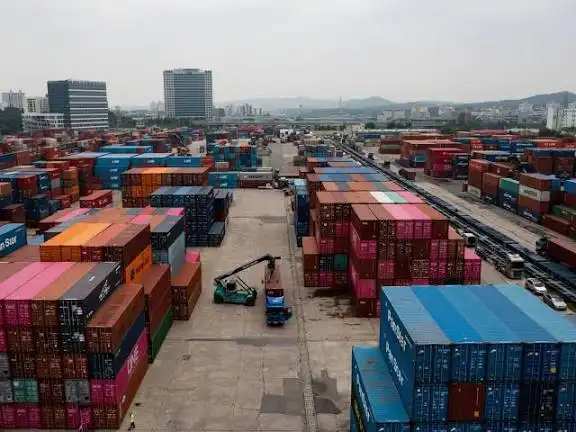
Rabiu stressed the importance of adopting export strategies tailored to Nigeria’s domestic realities, pointing to countries like Malaysia as examples of success through policy alignment with local capacity. He also advocated for the revival of inland ports to ease cargo movement and reduce congestion at seaports.
Similarly, President of the Nigeria Trade and Investment Center Canada, Olufemi Boyede, identified limited access to finance, poor logistics, and inconsistent policies as major constraints. He emphasised that the presence of multiple regulatory agencies at export points significantly increases costs and reduces efficiency.

Also speaking, Executive Director of African International Trade and Commerce Research, Sand Mba, noted that most exporters face significant challenges even before reaching border points. These include logistics difficulties, compliance burdens, and unofficial charges.
He revealed that about 62 percent of exporters struggle with pre border constraints, limiting their ability to scale operations and access international markets.
Participants at the forum agreed that better coordination, improved access to finance, and stronger institutional support are essential to unlocking opportunities in the non oil export sector.















Leave a comment