

The Centre for the Promotion of Private Enterprise has called for immediate government intervention to cushion the impact of rising energy costs on Nigerians and businesses, warning that the situation could further strain the fragile economy.

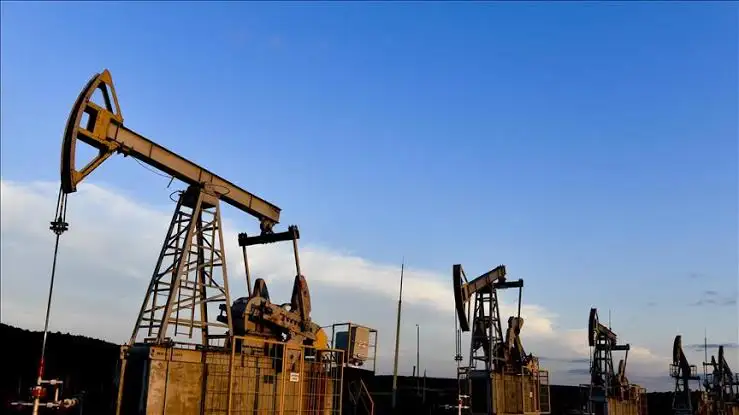
In a statement, the Executive Director of CPPE, Muda Yusuf, attributed the worsening energy crisis to global tensions, particularly the ongoing conflict involving the United States, Israel, and Iran, which continues to push energy prices upward.
Yusuf noted that although Nigeria recorded a slight drop in headline inflation to 15.06 percent in February 2026 from 15.10 percent in January, the improvement remains fragile. He explained that underlying indicators still point to persistent inflationary pressure, with month on month inflation rising to 2.01 percent and food inflation reaching 4.69 percent.
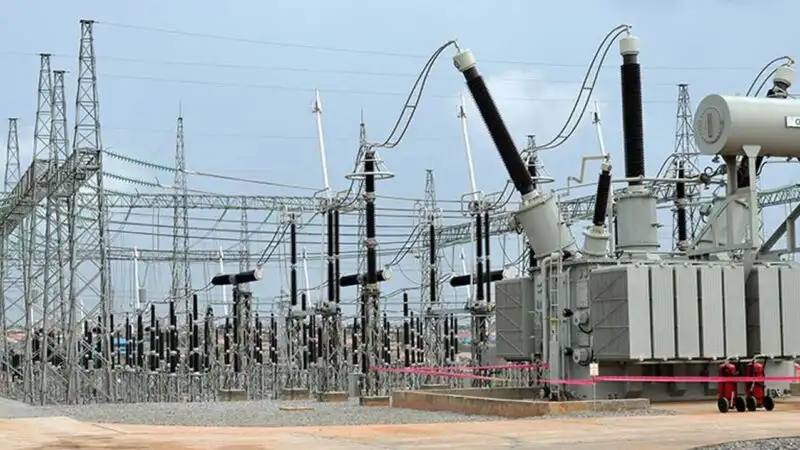
He highlighted that Nigeria’s heavy reliance on petrol and sel for power generation due to unreliable electricity supply has intensified the impact of global energy shocks. According to him, unreliable power supply results in annual economic losses estimated between 7 trillion naira and 10 trillion naira, while Nigerians spend over 3.7 trillion naira yearly on generators.
The economist stressed that this dependence on self generated power increases production and transportation costs, ultimately driving up the general price level across the economy.
To address the crisis, CPPE recommended strengthening domestic refining capacity by ensuring steady crude oil supply to local refineries, including the Dangote Refinery, under le and supportive policies. It also called for greater investment in affordable public transportation systems to ease the burden on households.
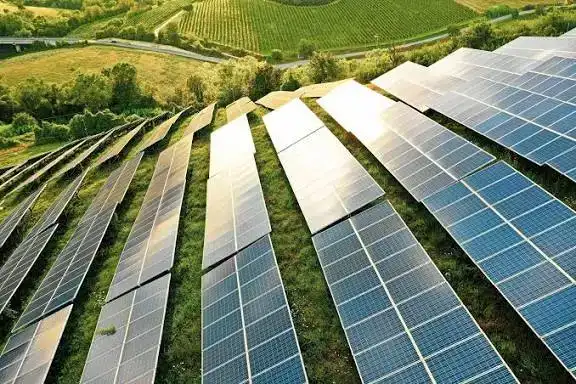
Additionally, the group urged the removal of fiscal barriers to renewable energy adoption by granting waivers on import duties for solar equipment, inverters, and batteries. It also recommended suspending certain maritime charges to reduce rising shipping costs.
Yusuf emphasized that improving electricity supply remains the most sustainable solution, calling for increased investment in power generation, transmission, and distribution, alongside support for decentralized energy systems.














Leave a comment