
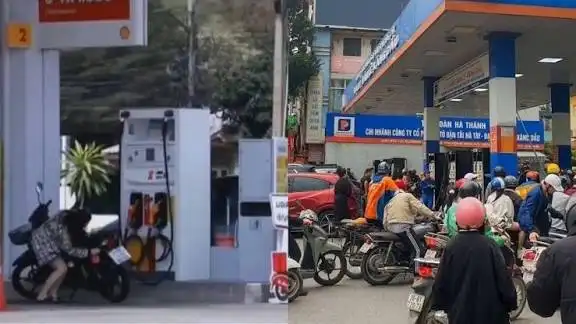
Several governments around the world are introducing fuel price controls and energy saving measures as rising oil costs begin to affect domestic economies. The surge in energy prices has been linked to ongoing tensions in the Middle East that are creating uncertainty around global fuel supply and transportation routes. Policymakers say the measures are intended to protect consumers and businesses from sudden increases in fuel costs while maintaining ility in national markets.
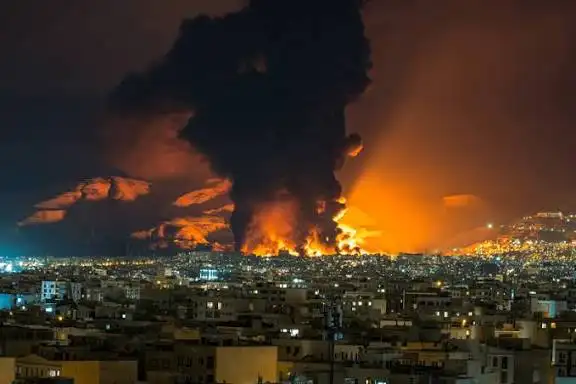
Authorities in a number of countries are implementing temporary limits on fuel price increases at the pump while offering subsis or financial support for transportation sectors. Public transportation networks and essential services such as food distribution and emergency response are receiving priority attention to ensure they can continue operating without major disruption. Governments say the goal is to reduce the immediate economic strain on households while the international energy market remains volatile.
Energy conservation campaigns are also being introduced as part of the broader response. Officials are encouraging reduced electricity use, improved efficiency in industrial operations, and increased reliance on public transportation. These efforts are designed to slow domestic fuel consumption and ease pressure on national energy reserves during a period of global supply uncertainty.

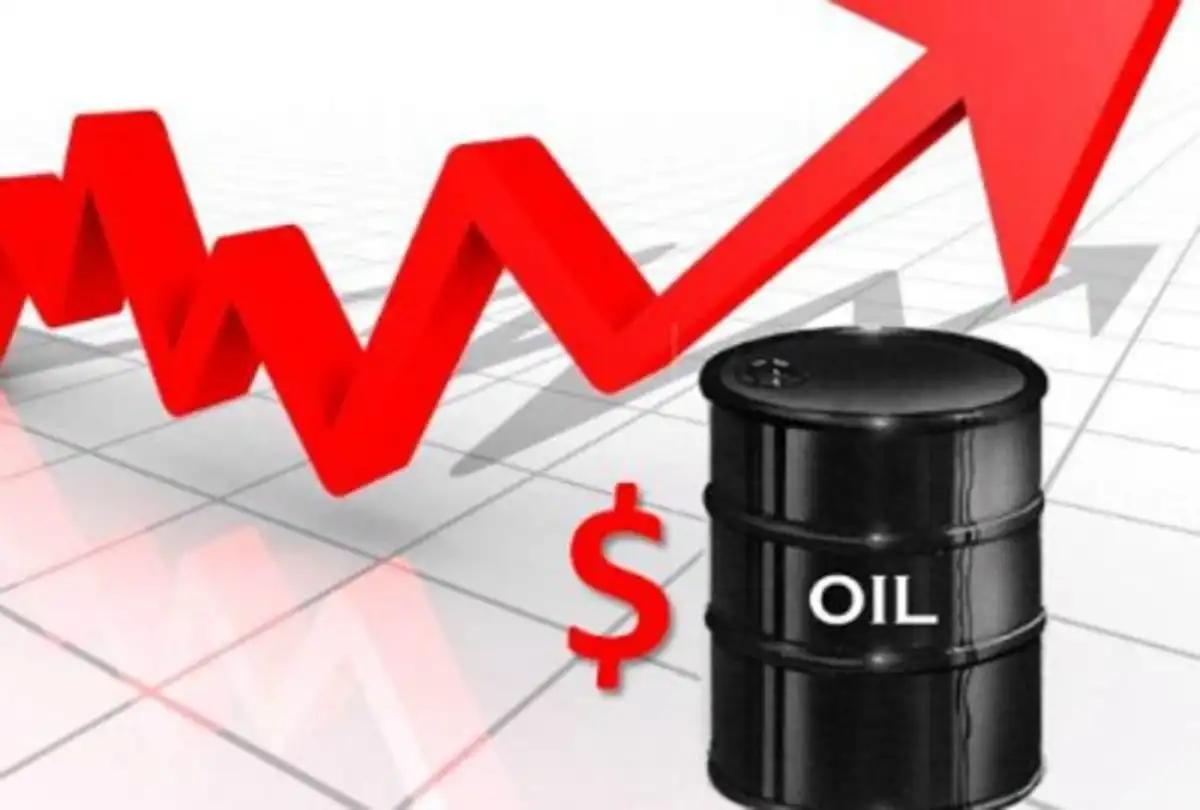
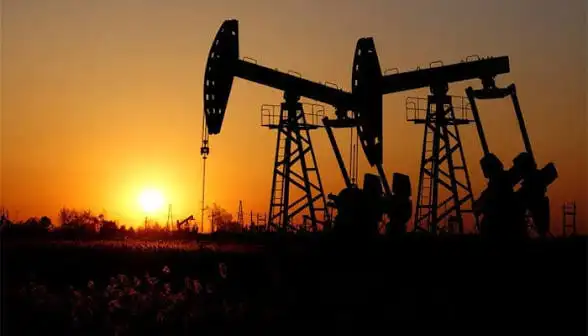
Economists note that such policies are often adopted when international fuel markets experience rapid price increases. Oil is a central component of the global economic system, and fluctuations in its price can influence transportation costs, food production, and manufacturing. When fuel prices rise quickly, governments often act to prevent inflation from spreading through other sectors of the economy.
International organizations and financial institutions are closely monitoring the situation as energy costs continue to fluctuate. Some governments are also reviewing strategic petroleum reserves as a precaution against potential supply disruptions. As geopolitical tensions continue to influence global markets, many countries are preparing for the possibility that higher energy prices could persist for an extended period.











Leave a comment