

Global discussions on aviation safety and infrastructure have intensified following a series of recent incidents that renewed scrutiny of regulatory standards, aircraft maintenance practices, and airport readiness across multiple regions.

Aviation authorities and international regulators have convened meetings to assess operational protocols and identify areas requiring improvement. While air travel remains statistically one of the safest modes of transportation, industry leaders acknowledge that high profile incidents can quickly erode public confidence and expose systemic vulnerabilities.
Experts point to a range of factors under review, including pilot training standards, aircraft inspection regimes, air traffic control systems, and runway infrastructure. In several countries, transportation ministries have announced audits of both domestic carriers and airport facilities to ensure compliance with international benchmarks.

The International Civil Aviation Organization has reiterated the importance of uniform global standards and data sharing among member states. Aviation specialists stress that safety depends not only on individual airline performance but also on coordinated oversight and transparent reporting mechanisms.
Airports in rapidly expanding markets face particular pressure as passenger volumes continue to recover and grow. Infrastructure strain, staffing shortages, and weather related disruptions have all contributed to operational challenges in recent years. Analysts argue that sustained investment in modernization and digital systems is critical to maintaining safety margins.
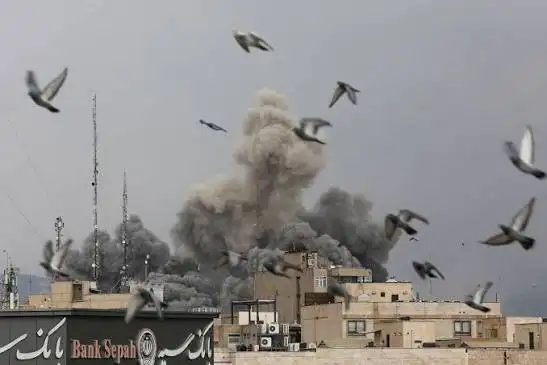
Airlines have responded by reviewing internal procedures and reinforcing communication with regulators. Industry associations maintain that continuous improvement is embedded in aviation culture, with lessons from each incident informing updated guidelines.
Passengers and advocacy groups have called for clearer communication regarding safety measures and contingency planning. Public trust remains a central pillar of the aviation sector economic viability.
Policymakers are also examining the role of emerging technologies such as automated monitoring systems and predictive maintenance tools. These innovations are seen as potential enhancers of safety, though they require careful integration and regulatory oversight.
As investigations into recent events proceed, the broader conversation reflects a shared recognition that aviation safety is an evolving responsibility. Strengthening infrastructure, harmonizing regulations, and investing in workforce training remain at the forefront of global efforts to ensure secure and reliable air travel.















Leave a comment