

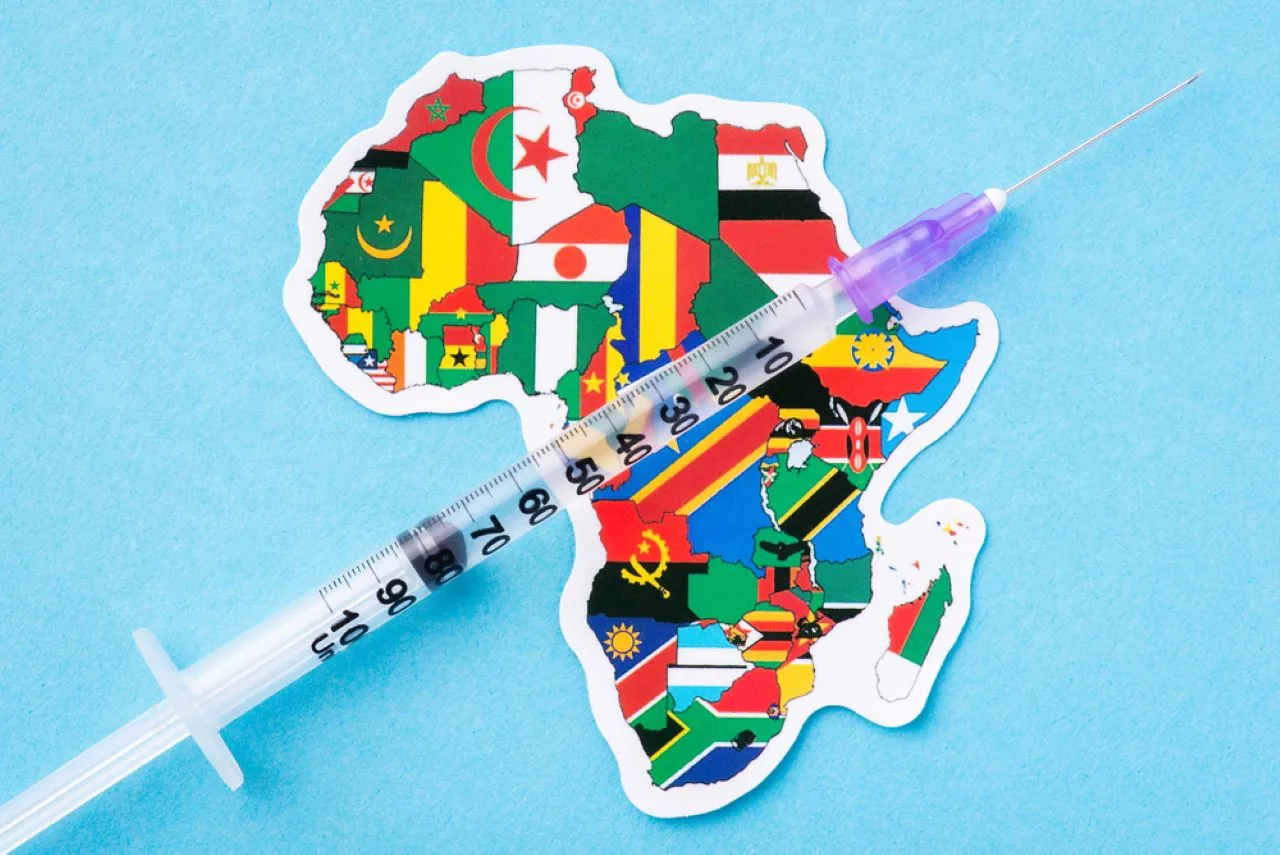
Millions of Africans may be taking medications that were never properly tested on people like them. Professor Mahmoud Bukar Maina, a Nigerian neuroscientist, raised this alarm at the 23rd Scientific Conference of the Neuroscience Society of Nigeria in Abuja, highlighting a dangerous gap in pharmaceutical development.
The issue stems from African populations being systematically excluded from clinical trials that determine how drugs work and what side effects they might cause. “We are consumers, instead of us driving our own needs,” Maina said, pointing out that adverse reactions often occur because medications were developed and tested entirely without African participation.

Why does this matter so much? Africa’s genetic diversity means that research findings from Europe and North America can’t simply be transplanted to the continent. The stakes are particularly high for conditions like dementia, which is projected to surge by 348 per cent in West Africa over the next 25 years. Yet less than one per cent of global dementia research originates from Africa.
Maina, who directs the Biomedical Science Research and Training Centre at Yobe State University, called for increased investment in locally driven medical research. His team is already studying dementia using advanced stem cell technology to examine how the disease develops in African populations. Still, funding remains the biggest obstacle to expanding this critical work.




















Leave a comment