
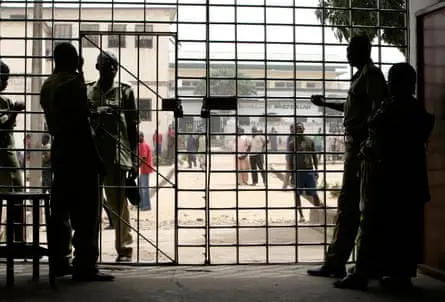
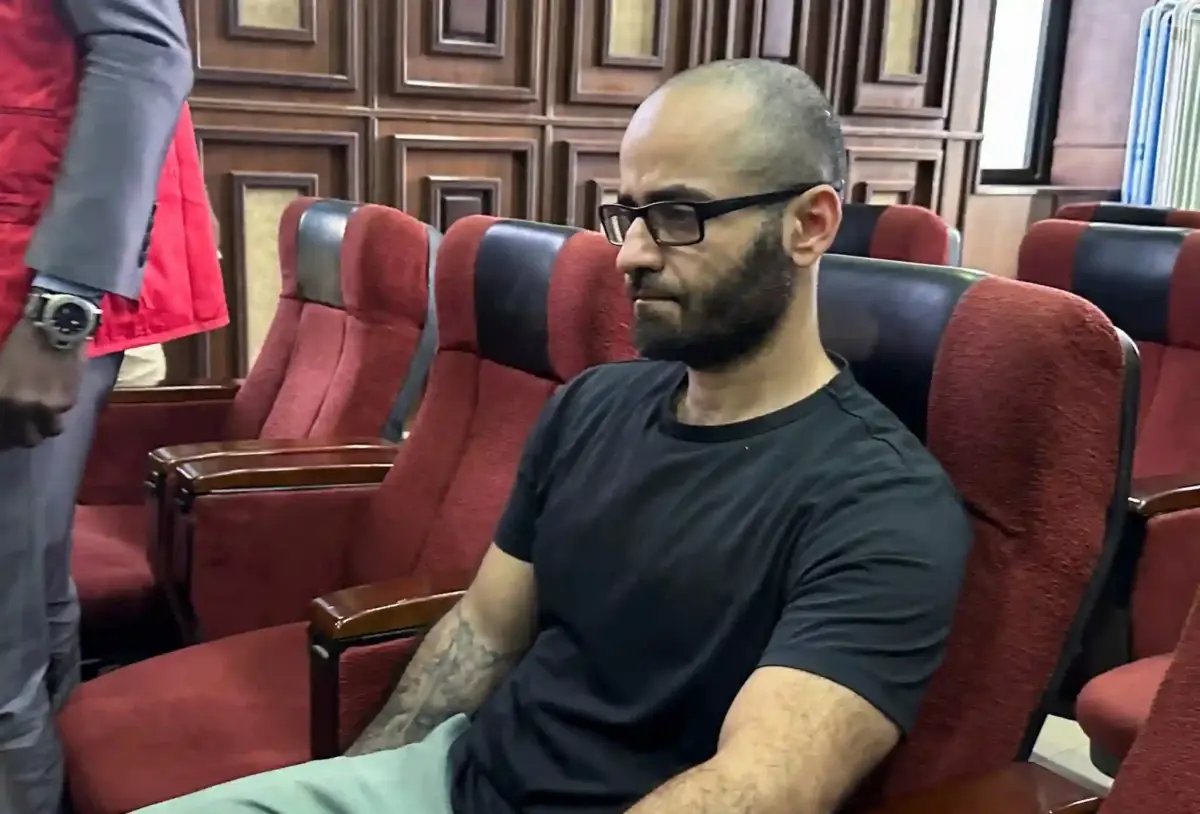
A condemned prisoner in Nigeria allegedly ran a lucrative TikTok account from his death row cell, prompting authorities to remove three senior prison officials and launch an investigation into what officials describe as a catastrophic security breach. Elijah Oyebode, sentenced to death by ing in 2019 for the of a university student, reportedly maintained an active social media presence that included livestreaming sessions and collecting monetary gifts from followers, raising serious questions about oversight at one of Nigeria’s medium security facilities.

Oyebode was convicted by an Osun State High Court for the ing of Rofiat Adebisi, a final year student at Osun State University. Court records show he provided conflicting accounts of the incident before ultimately denying involvement during his trial. Medical evidence and other materials presented to the court proved sufficient for conviction, leading to his death sentence seven years ago. Yet despite being confined to death row at the Ibara Medium Custodial Centre in Abeokuta, Ogun State, Oyebode allegedly managed to build a significant following on the popular video sharing platform, with one of his accounts reaching Level 20 gifting status, a designation that allows users to receive financial contributions during livestreams.
Chief Superintendent of Corrections JN Osuji, the Public Relations Officer for the Nigerian Correctional Service, confirmed the incident in a statement released on Thursday. Osuji characterized the breach as a serious violation of custodial regulations and a fundamental compromise of prison security protocols. Early investigations revealed that Oyebode unlawfully possessed a prohibited mobile phone, which he used to access social media platforms while in custody. Authorities have since recovered the device and secured it as evidence for the ongoing investigation.

Beyond operating his own account, Oyebode was also allegedly linked to a second TikTok profile created to impersonate a popular content creator and activist. Such activities point to a level of digital sophistication and freedom of movement within the facility that contradicts the restrictive conditions death row inmates should face. Correctional facilities worldwide maintain strict protocols to prevent inmates, particularly those awaiting execution, from accessing communication devices that could be used to coordinate criminal activities, intimidate witnesses, or breach institutional security.
In response to the revelations, the Nigerian Correctional Service has taken swift administrative action. Oyebode has been transferred to another custodial facility where he has been placed under enhanced security measures pending the conclusion of investigations. Meanwhile, the Officer in Charge of the Ibara Medium Custodial Centre and two other principal officers have been removed from their positions. Authorities have not disclosed whether these officials will face criminal charges or only administrative sanctions, though the investigation remains ongoing.

Questions now mount about how such a profound lapse occurred and whether similar breaches may exist at other facilities across Nigeria’s correctional system. Smuggling contraband into prisons is a persistent challenge in many countries, but the ability of a death row inmate to maintain such an extensive online presence suggests either complicity or negligence at multiple levels of the institutional hierarchy. As investigators continue their work, prison reform advocates will likely seize upon this incident as evidence that Nigeria’s correctional infrastructure requires fundamental restructuring to meet international standards for security, accountability, and the humane treatment of inmates.


















Leave a comment