
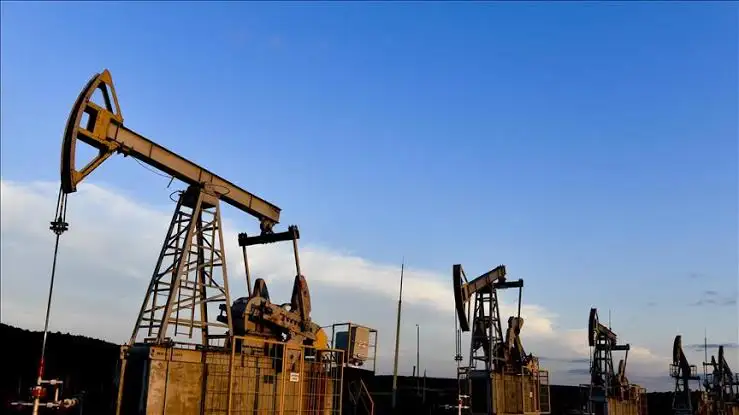
Nigeria has concluded one of its most significant petroleum licensing rounds in recent history, awarding 37 oil and gas blocks to 31 companies following a competitive bidding process that attracted unprecedented interest from domestic and international investors. The announcement came Tuesday after a commercial bid conference in Abuja, where the Nigerian Upstream Petroleum Regulatory Commission unveiled the results of a process that saw 143 companies submit approximately 200 bids for blocks spanning the country’s diverse geological formations.

The awarded exploration territories cover an expansive geographic range, including the traditional Niger Delta region with its onshore, shallow water, and deep offshore areas, as well as less explored frontier basins such as Benin, Anambra, and Chad, along with the Benue Trough. Notably, thirteen of the fifty blocks offered failed to attract any bidders, suggesting selective investor interest despite the overall strong response. The diversity of awarded blocks signals a potential shift in Nigeria’s upstream petroleum landscape, extending commercial activity beyond the conventional producing regions that have dominated the industry for decades.
Among the successful bidders are elished players and emerging companies including SSonic Petroleum Limited, CFP Pipeline and Flowlines, Dutchford E&P Limited, Attabanson Global Company Limited, Rosem Energy Limited, Pivot GIS Limited, Network E&P, Asharami, LexOil, BVOF, Gupsco Energy Limited, and Saratoga. Other winners include Volante, Concept Reel Petroleum Services Limited, Clinton Oil Field, Nuway Oaklane Limited, Ramec, Italia, Blueridge E&P, Up Energies Limited, AYM Shafa, and Blackrock Holdings Limited. Additional companies securing blocks are Funtay Integrated Business Limited, Riparian Development and Production Limited, Nikstallis, Stardeep Petroleum, Dakoda & U Limited, Southborne Oil and Gas Limited, Lanaka Petroleum, Highban Resources Limited, and Eyre Energy Limited.

Regulatory officials emphasized that this licensing round represents a watershed moment for Nigerian petroleum development, particularly regarding the frontier basins. For the first time in the country’s licensing history, areas including the Benue Trough, Chad Basin, Anambra Basin, and Benin Basin have attracted substantial investor commitment during a formal bidding process. This development could unlock hydrocarbon resources in regions previously considered too remote or geologically uncertain for commercial exploitation, potentially diversifying Nigeria’s production base and extending the industry’s geographic footprint across the nation.
Oritsemeyiwa Eyesan, Chief Executive of the regulatory commission, congratulated the winning companies while issuing clear expectations about next steps. She emphasized that successful bidders must promptly remit their signature bonuses and secure approval from the Minister of Petroleum Resources, as mandated by the Petroleum Industry Act of 2021, before receiving final award confirmation. Eyesan issued a stern warning that the commission would enforce its drill or drop policy, potentially withdrawing licenses from companies that fail to develop their awarded assets within stipulated timeframes. Such regulatory discipline aims to prevent the speculative accumulation of acreage without corresponding investment in exploration and production activities.

Looking ahead, the success of this licensing round will depend not merely on the number of awards but on actual development activity in the coming years. Investors must navigate Nigeria’s complex operating environment, which includes security challenges in some regions, infrastructure limitations, and regulatory compliance requirements under the relatively new Petroleum Industry Act framework. Whether these 31 companies can transform their winning bids into producing assets, particularly in the untested frontier basins, will determine if this licensing round marks a genuine turning point for Nigerian upstream petroleum or simply another chapter in the country’s long quest to maximize its hydrocarbon potential beyond the Niger Delta.
You May Like









Leave a comment