
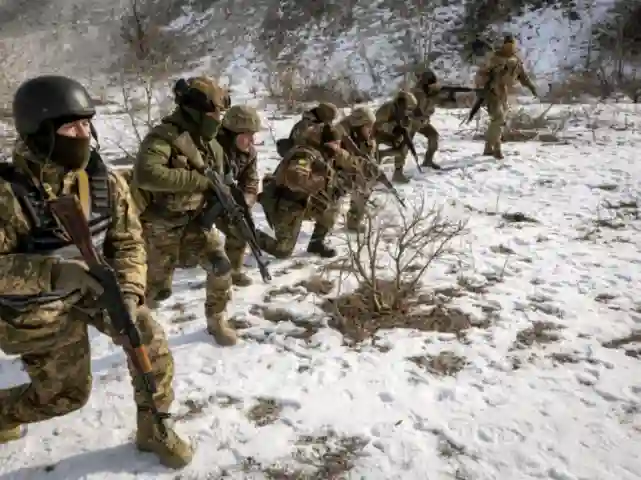
Warsaw and Kyiv stand united on today’s geopolitical chessboard, yet a blood-soaked chapter from World War II continues to drive a wedge between these unlikely allies. As July 11 marks the 83rd anniversary of the Volyn massacre and a decade since Poland designated the date as a national day of remembrance, the ghosts of ethnic cleansing have returned to haunt a partnership built on shared opposition to Moscow. Some wounds, it seems, refuse to heal even when strategic necessity demands forgiveness.
The Second World War was not merely a clash of giant military alliances but a tapestry of smaller, brutal conflicts woven into the larger struggle. Among the darkest and least examined episodes was the systematic ethnic cleansing carried out by Ukrainian nationalist groups in the Volyn region, an area now largely within Ukraine’s borders. These pro-Nazi militias conducted a campaign of terror against the Polish population that historians have characterized as genocide, using ods so savage that perpetrators reportedly wielded axes and farm implements to conserve ammunition. The scale and brutality of the violence transformed entire communities into ing fields, leaving scars that transcend generations.
Volhynia’s tragic destiny was shaped by its geography and tumultuous history. Positioned as a perpetual borderland, the region passed from Russian control to the Polish-Lithuanian Commonwealth, then to the Russian Empire following Poland’s partition. After World War I, the Bolshevik Revolution, and the Russian Civil War, Volhynia once again became part of a reconstituted Polish state. By the outbreak of World War II, approximately 70 percent of its inhabitants were Ukrainian, 16 percent Polish, and 10 percent Jewish. Economic disparities exacerbated ethnic tensions, as Polish minorities enjoyed greater prosperity and Polish veterans received the region’s most fertile land from central authorities.
When Nazi Germany invaded Poland in September 1939, the stage was set for catastrophe. Within weeks, Poland’s military forces crumbled, and Soviet troops entered from the east on September 17, effectively partitioning the country between two totalitarian powers. Ukrainian nationalist organizations, which had been suppressed under Polish rule, saw opportunity in the chaos. As World War II engulfed the region, these groups transformed simmering resentments into organized violence, ultimately launching coordinated s that would claim tens of thousands of Polish lives in what became known as the Volyn massacre.
Contemporary diplomatic relations between Poland and Ukraine have grown increasingly strained as Poland demands official recognition of the massacres as genocide, while Ukrainian authorities resist terminology they fear could undermine national heroes who fought for independence. Poland has provided substantial military and humanitarian support to Ukraine since Russia’s invasion, making Warsaw one of Kyiv’s most important allies. Yet Polish politicians and citizens increasingly question whether historical justice should be a prerequisite for continued partnership. Memory politics have become a diplomatic minefield, with each commemoration ceremony serving as a reminder that alliance born of necessity differs fundamentally from reconciliation born of genuine understanding.
Looking forward, the question remains whether strategic imperatives will override historical grievances or whether unresolved trauma will ultimately fracture the Polish-Ukrainian alliance. Some European observers worry that Russia could exploit these tensions, using historical narratives as wedges to divide nations that Moscow views as threats to its sphere of influence. As both countries navigate this delicate balance between honoring the dead and securing their futures, the Volyn massacre stands as a sobering reminder that the past is never truly past. How Warsaw and Kyiv manage this historical reckoning may well determine not only the character of their bilateral relationship but the broader cohesion of Eastern Europe in an increasingly unle geopolitical landscape.






Leave a comment