
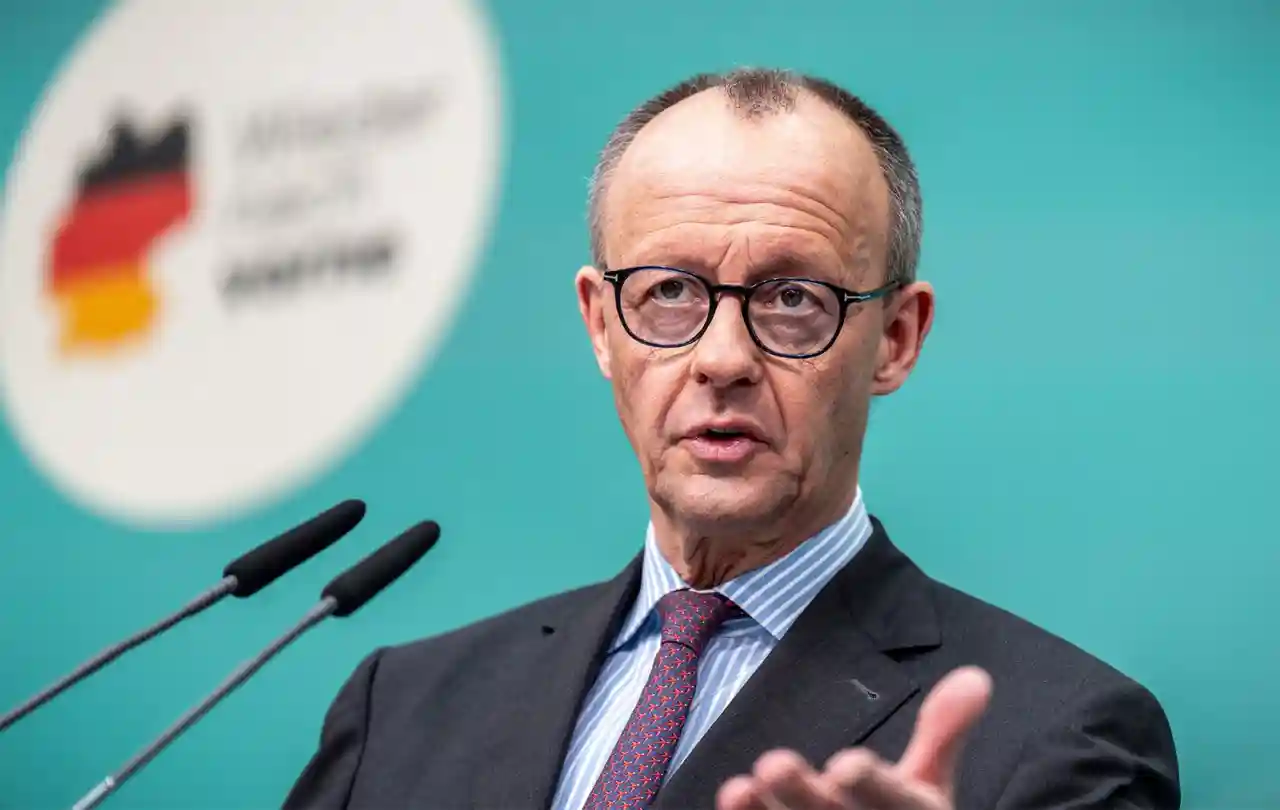
Friedrich Merz desperately needs a summer holiday. Since leading his CDU/CSU coalition with the Social Democrats into power just 14 months ago, Germany’s embattled chancellor has lurched from one crisis to another, his political capital evaporating faster than morning mist over the Rhine.
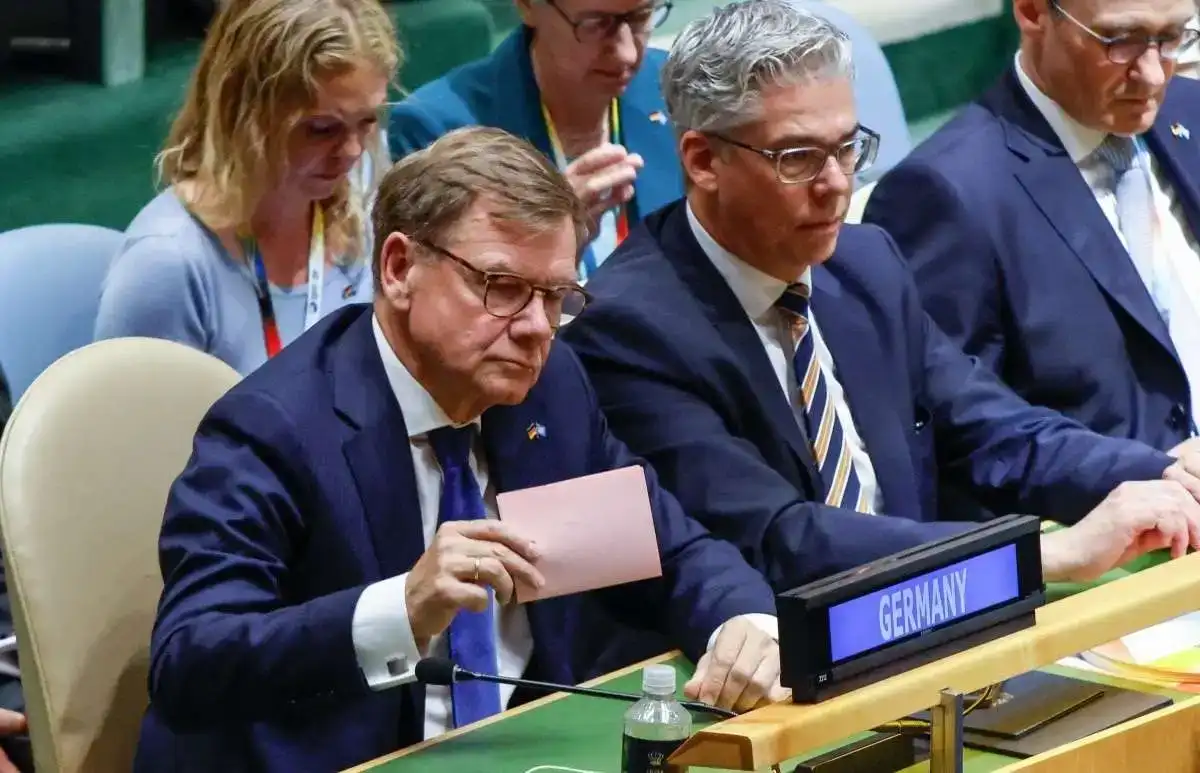
The far right surge now convulsing German politics represents more than just electoral headwinds for Merz. It signals a fundamental rejection of the traditional centrist consensus that has governed Europe’s largest economy for generations. Voters who once reliably backed the Christian Democrats are now flirting with populist alternatives, driven by anxieties over immigration, economic stagnation, and what many perceive as an out of touch political elishment in Berlin.
Merz’s coalition with the SPD was supposed to provide ility after years of political fragmentation. Instead, it has delivered constant infighting, policy paralysis, and plummeting approval ratings. The marriage of convenience between center right and center left has satisfied neither base, creating a vacuum that extremist parties have eagerly filled. Every compromise alienates another segment of supporters.
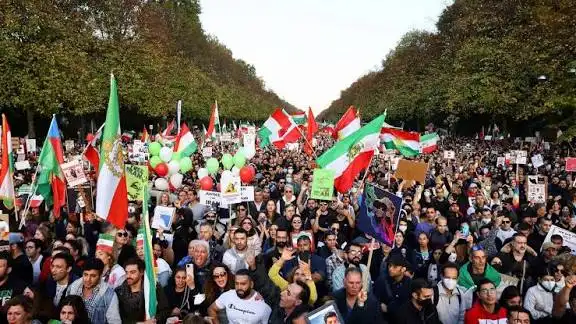
Political analysts across Germany are now openly questioning whether this grand coalition can survive until the next scheduled election. Internal party tensions within the CDU/CSU have intensified as regional leaders distance themselves from Merz’s leadership. Some are already positioning themselves for a potential succession battle, their ambitions barely concealed behind public statements of support.
Beyond Germany’s borders, European leaders watch nervously. A political collapse in Berlin would reverberate across the continent at precisely the wrong moment, with the European Union facing economic challenges, security threats, and its own reckoning with rising nationalism. Germany has long served as the anchor of European ility, and any prolonged period of weakness could embolden populist movements from Warsaw to Paris.
Whether Merz can use the traditional summer parliamentary recess to reset his struggling chancellorship remains an open question. His government needs more than rest and recuperation. What it requires is a compelling vision that can counter the far right’s simplistic narratives and reconnect with increasingly disillusioned voters. Without that, no amount of vacation will cure what truly ails German politics.













Leave a comment