
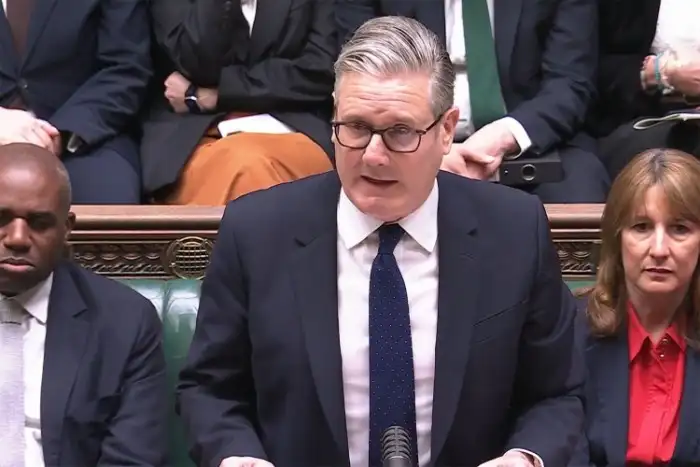
British Prime Minister Keir Starmer is expected to resign on Monday, June 22, according to reports from Reuters, marking yet another chapter in the United Kingdom’s increasingly turbulent pattern of premature leadership exits. The announcement comes amid intensifying pressure on the Labour leader to step aside, though the exact nature of the crisis forcing his departure remains a subject of ongoing political speculation.
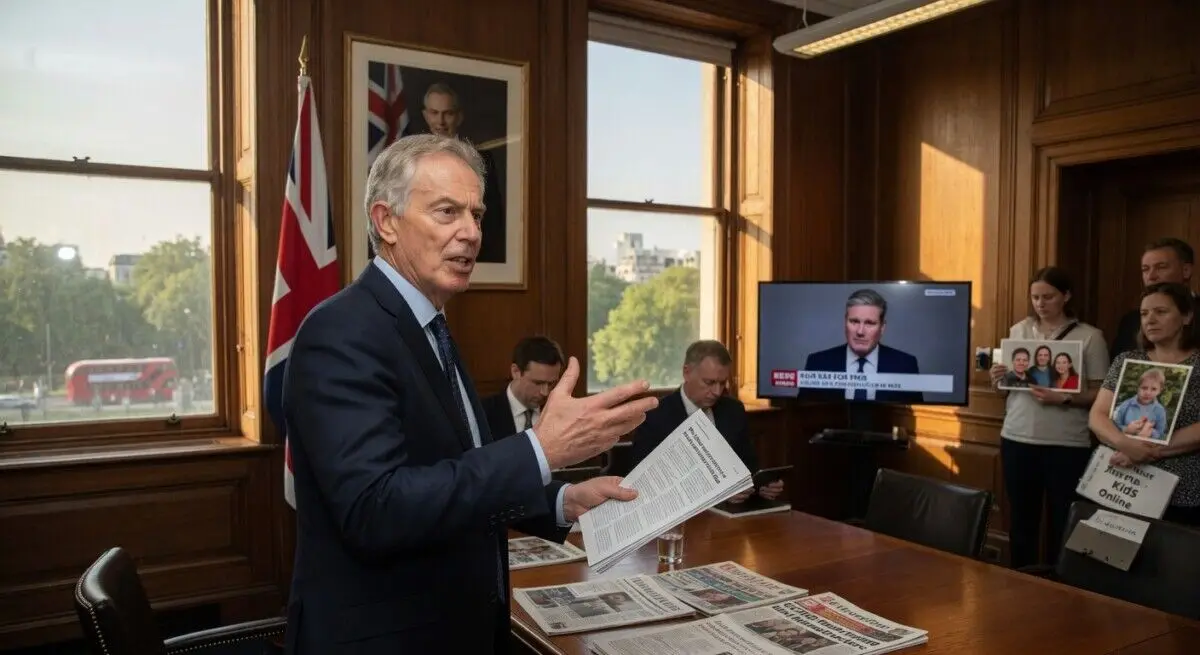
Starmer has reportedly elished a formal timetable for his resignation, suggesting an orderly transition rather than an abrupt collapse of his government. Sources close to Downing Street indicate that preparations for the leadership ce are already underway, with various factions within the Labour Party positioning themselves for what is expected to be a contentious succession battle. The timing of the resignation, coming relatively early in what should have been a full parliamentary term, raises serious questions about the ility of British governance and the ability of any prime minister to navigate the treacherous waters of contemporary politics.
The anticipated departure of Starmer continues a troubling trend in British politics where prime ministers increasingly struggle to complete their intended terms in office. Recent history has seen multiple leaders forced out by party rebellions, policy failures, or simple loss of confidence among their parliamentary colleagues. What once was considered a position of considerable security and authority has become soing of a revolving door, with the average tenure of British prime ministers declining markedly over the past two decades.
Political analysts point to several structural factors that may explain this pattern of inility. The 24 hour news cycle and social media environment create an atmosphere where political missteps are amplified instantly and forgiveness comes slowly if at all. Internal party dynamics have also shifted, with backbench MPs more willing to challenge sitting prime ministers than in previous generations. Economic challenges, international crises, and deep divisions over major policy questions have left recent occupants of Number 10 Downing Street with precious little room for error.
The circumstances surrounding Starmer’s expected resignation highlight the precarious nature of political leadership in modern Britain. Labour came to power with substantial expectations for ce and reform, yet maintaining unity within a governing coalition while delivering on campaign promises has proven extraordinarily difficult. Pressure from both the left and center of the party, combined with external economic headwinds and international tensions, appears to have created an untenable position for the prime minister.
Looking ahead, Britain faces another period of political uncertainty as the governing party selects new leadership and the country adjusts to its latest ce at the top. Whether this cycle of early exits can be broken remains an open question, one that goes to the heart of British democratic ility. Future prime ministers will need to grapple not only with the policy challenges of their time but also with the deeper structural problems that have made completing a full term in office seem like an increasingly distant possibility.








Leave a comment