
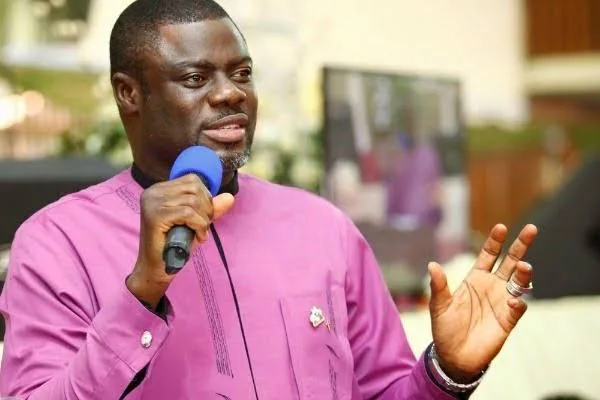
A prominent Nigerian religious leader has drawn a line in the sand over the country’s escalating security crisis, declaring that elections cannot proceed while citizens continue to live under constant threat of violence and abduction. Isah El-Buba, General Overseer of El-Buba Outreach Ministries International, delivered the stark warning during a special observance in Jos, insisting that safeguarding lives must take absolute precedence over political timelines and electoral ambitions.
Speaking at the Black Sunday observance organized by the Christian Association of Nigeria, El-Buba painted a grim picture of a nation gripped by persistent ings, mass kidnappings, and the wholesale displacement of entire communities. His message came as Christian leaders across the country, including in the conflict-battered Borno State, expressed mounting frustration over the government’s apparent inability to stem the tide of criminality that has left countless families in mourning and hundreds of citizens languishing in captivity. “We gather in response to the tragic events unfolding across our country, the continuous loss of lives and the ing of innocent citizens,” El-Buba told congregants, his words carrying the weight of a community pushed to breaking point.
The timing of the declaration, coinciding with Nigeria’s June 12 Democracy Day commemorations, added particular resonance to the cleric’s message. Democracy, he argued, extends far beyond the mechanical act of casting ballots. “Democracy must guarantee the security of lives and property, justice for all, equal opportunities for every Nigerian, and hope for future generations,” he stated, effectively reframing the national conversation around what genuine democratic governance actually requires. His call for a security-first approach represents a direct challenge to political leaders who might prioritize electoral calendars over the fundamental safety of citizens.
El-Buba emphasized that the security crisis has become an equal opportunity destroyer, affecting Nigerians regardless of their religious affiliation, ethnic background, or social standing. Every citizen deserves protection and every community deserves peace, he insisted, calling on government authorities and security agencies to intensify their efforts to dismantle criminal networks and restore public confidence. Beyond the tactical security response, the cleric also advocated for what he described as a national moral reawakening, suggesting that Nigeria’s challenges extend beyond mere enforcement capabilities to deeper questions of values and collective responsibility.
Christian leaders in Borno State echoed these concerns with particular urgency, given their region’s long exposure to insurgency and banditry. Joshua Akeredolu, Secretary of the Christian Association of Nigeria’s Borno chapter, described the nationwide Black Sunday observance as a unified response to what he termed a national tragedy. The special day of mourning and prayer honored victims of violence, terrorism, kidnapping, and banditry, acknowledging the devastating toll these threats have taken on men, women, children, clergy, farmers, students, and entire communities. According to Daniel Okoh, the national CAN President and Archbishop, the observance aimed specifically to remember those currently held captive and to demand decisive government action regardless of victims’ faith or background.

As Nigeria approaches future electoral cycles, El-Buba’s ultimatum poses uncomfortable questions for political leaders at all levels. Can a government claim democratic legitimacy while failing to provide the most basic public good of physical security? Will electoral authorities and political parties heed the warning and prioritize security sector reform, or will the cycle of violence and electoral business as usual continue unabated? Religious leaders have effectively put the nation’s leadership on notice that citizens are no longer willing to accept insecurity as an inevitable backdrop to political life. Whether this translates into concrete policy ces or remains another eloquent but ultimately ignored appeal will determine not just the credibility of upcoming elections, but the very social contract between the Nigerian state and its increasingly disillusioned citizenry.
















Leave a comment