
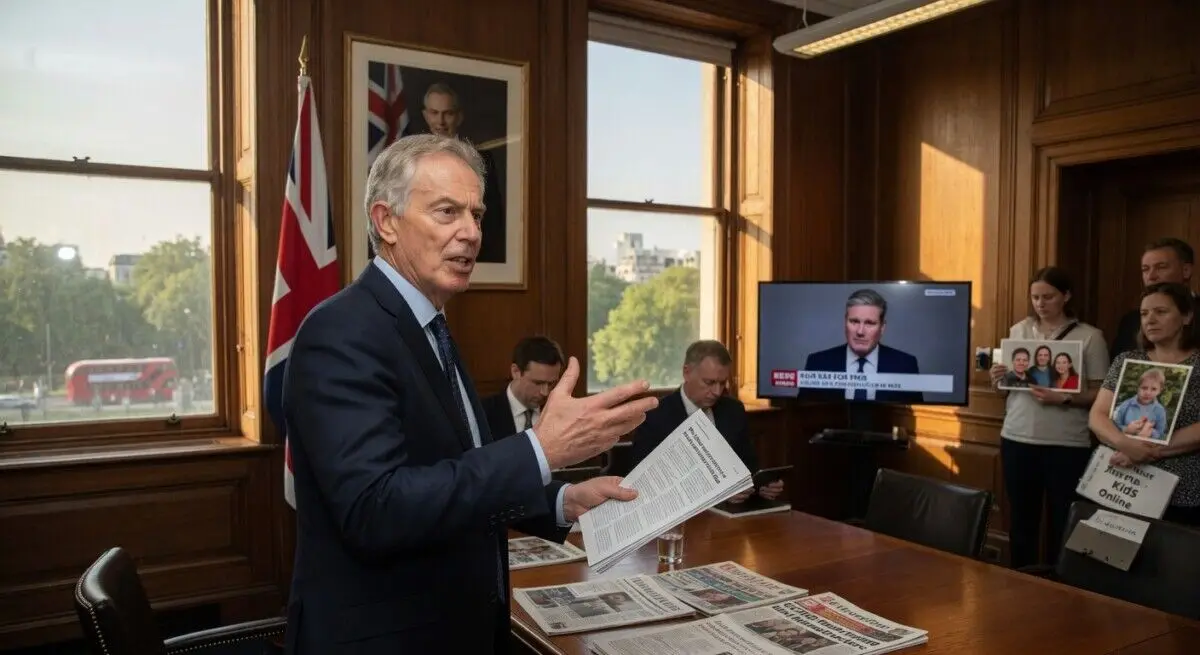
Former Prime Minister Sir Tony Blair has launched a blistering assault on the current Labour government, warning that Sir Keir Starmer lacks a coherent plan for Britain and that the party’s leftward trajectory threatens to relegate the nation from the top tier of global powers. The intervention, published in a lengthy essay, marks one of the most significant critiques from within Labour ranks since the party returned to government, raising profound questions about the direction of British politics at a time when the country faces mounting economic and social challenges.

Blair’s critique centres on what he describes as a dangerous lurch to the left that puts Britain’s standing at risk. His most striking warning suggests Labour could consign the nation to “relegation from the Premier League of nations,” a sporting metaphor that captures his fear of Britain’s diminishing influence on the world stage. The former prime minister, who led Labour to three consecutive election victories between 1997 and 2005, argues in his essay titled “Why Labour must return to the radical centre to reverse Britain’s decline” that moving further leftward, particularly under figures like Andy Burnham, represents a doomed strategy destined for failure.
The political drama unfolded against a backdrop of record breaking heat, with temperatures reaching 35 degrees Celsius for the second consecutive day in May. Meanwhile, security concerns dominated other headlines as GCHQ issued stark warnings about Russia relentlessly targeting UK infrastructure. The convergence of domestic political turmoil, climate extremes, and foreign threats underscores the complexity of challenges facing any government attempting to chart Britain’s future course.
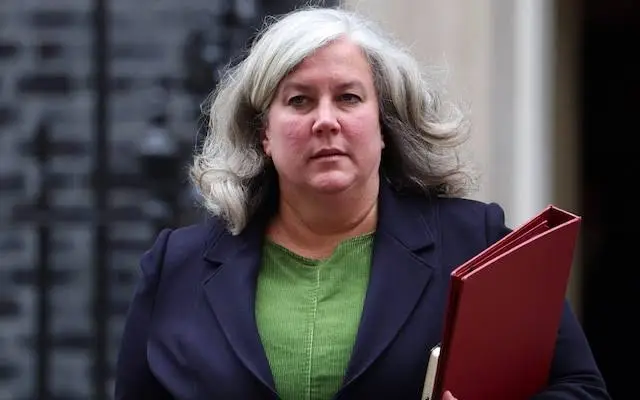
Beyond Westminster’s internal conflicts, attention has turned to urgent social policy debates, particularly around protecting children online. Parents who lost children in incidents they believe were linked to harmful online content visited Downing Street clutching photographs, urging the Prime Minister to implement comprehensive social media restrictions for those under 16. Ellen Roome and other bereaved parents delivered an emotional appeal for action, with a government crackdown on social media platforms expected within weeks according to reports. The pressure reflects growing public concern that technology companies have failed to adequately safeguard young users from dangerous content.
In Scotland, the political fallout from corruption allegations continues to reverberate through what was once the Scottish National Party’s impregnable stronghold. Former SNP chief executive Peter Murrell recently admitted to embezzling £400,000 from the party, prompting fresh scrutiny of his wife, former First Minister Nicola Sturgeon. Questions have emerged about whether Sturgeon truly remained unaware of her husband’s criminal activities, particularly regarding a motorhome purchase he made. One witness claims to have seen Sturgeon buying frozen pizza and garlic bread near where the vehicle was parked, potentially contradicting her assertions of ignorance about the purchase.
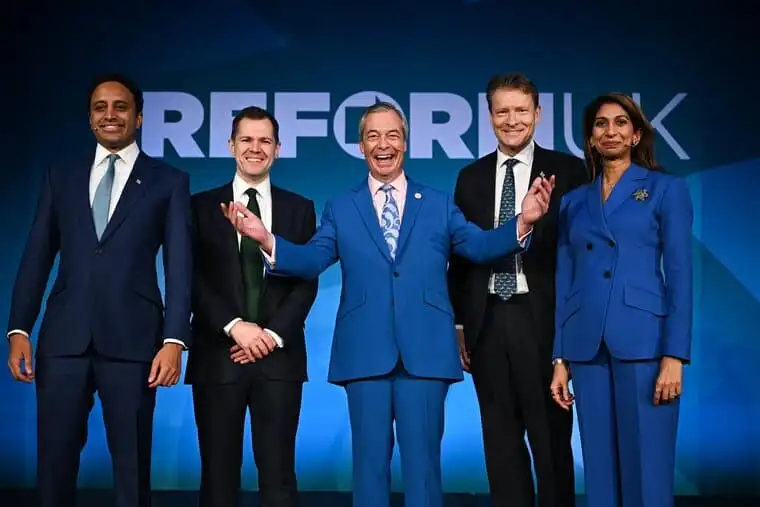
Blair’s intervention arrives at a pivotal moment for British politics, forcing Labour to confront fundamental questions about its identity and governing philosophy. Whether the party heeds his call to return to the centre ground or doubles down on its current approach will shape not only its electoral prospects but Britain’s trajectory through an increasingly turbulent global landscape. As the political elishment grapples with these existential debates, the public faces immediate concerns from climate ce to online safety to national security, all demanding leadership that transcends partisan positioning. The coming months will reveal whether Labour can reconcile its internal divisions while addressing the pressing challenges that refuse to wait for political consensus.









Leave a comment