
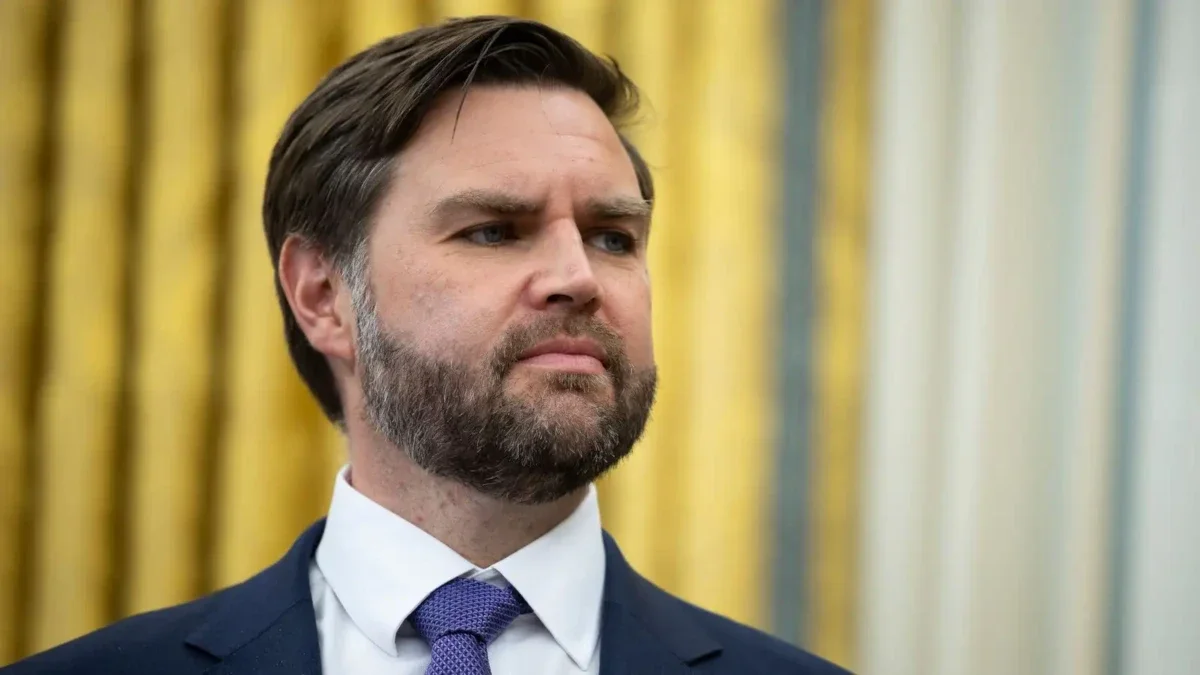
Vice President JD Vance finds himself increasingly marginalized within the Trump administration following the unexpected resignation of Director of National Intelligence Tulsi Gabbard, according to multiple sources close to the White House. The departure of Gabbard, who cited her husband’s recent cancer diagnosis as the reason for stepping down, has left Vance without his most prominent ally on foreign policy matters and raised serious questions about his political future.
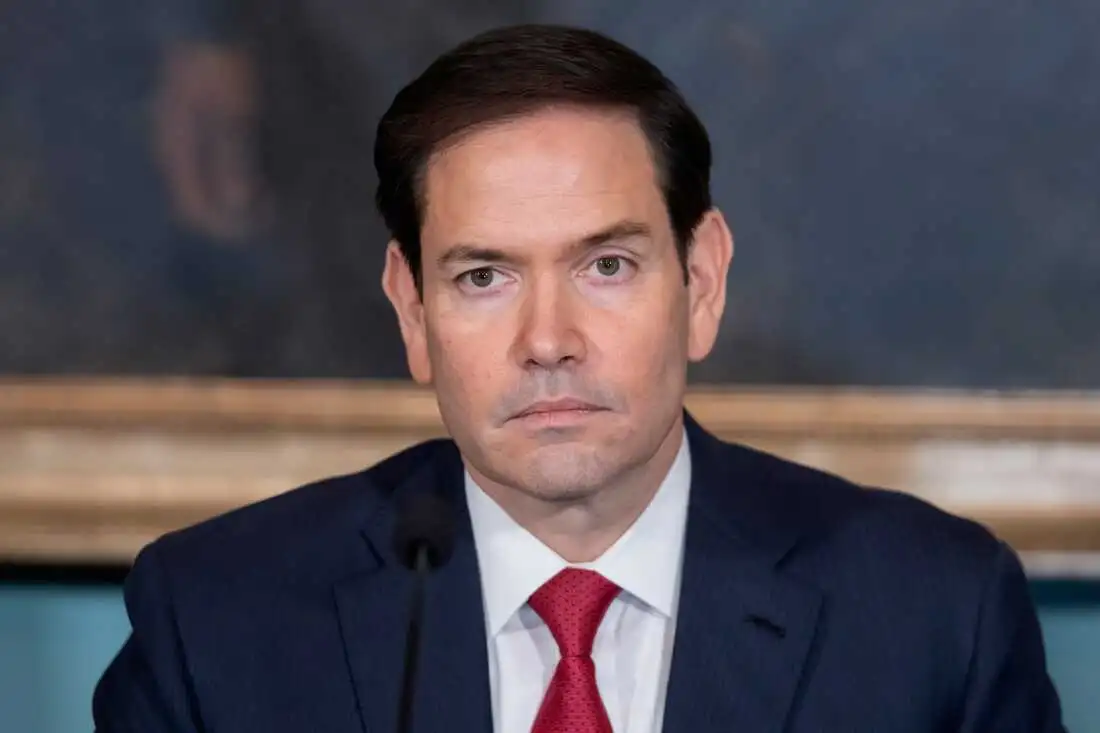
While Gabbard’s official resignation letter focused on personal family matters, Washington insiders suggest deeper policy rifts may have contributed to her exit, particularly regarding the administration’s approach to Iran. Vance, known for his non-interventionist stance on foreign affairs, now stands virtually alone among senior Trump advisors advocating for diplomatic restraint a position that has reportedly put him at odds with the President’s increasingly aggressive posture on the world stage.
The Vice President’s diminishing influence has become a subject of open discussion among White House staff and Republican operatives. “Vance is a non event in the West Wing,” one source close to President Trump told reporters, delivering a harsh assessment of the Ohio native’s standing within the administration. The comment reflects a broader sentiment that Vance’s cautious, diplomatic approach to international relations has fallen out of favor as Trump embraces a more confrontational foreign policy doctrine.
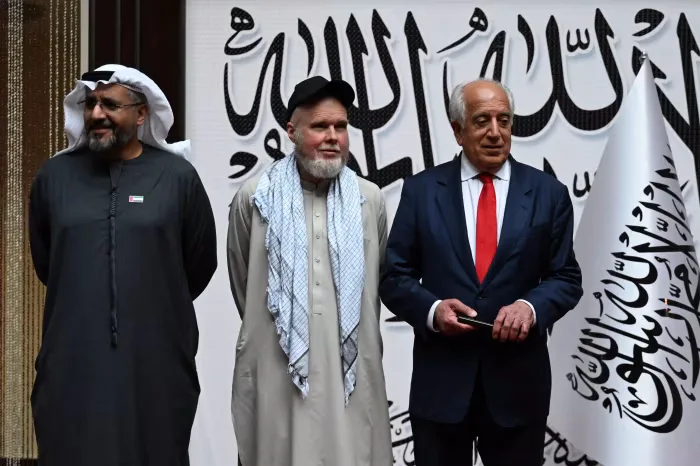
Meanwhile, Secretary of State Marco Rubio’s star appears to be rising within the administration. Rubio has taken a leading role in planning aggressive military operations, including reported discussions about Cuba, positioning himself as more aligned with Trump’s hawkish tendencies. This contrast has fueled speculation that Rubio or another more combative figure could emerge as a “shinier penny” in Trump’s eyes, potentially threatening Vance’s assumed position as the front-runner for the Republican presidential nomination in 2028.
Political observers note that Vance’s predicament highlights the challenges facing any successor to Trump’s unconventional political brand. Sources suggest the Vice President is now privately reconsidering whether to pursue a 2028 presidential campaign at all, recognizing that his policy differences with the current administration could complicate his ability to maintain the MAGA base’s support. With nearly two years remaining in Trump’s term, Vance faces a delicate balancing act: remaining loyal to an administration where his influence appears to be waning while preserving his own political viability for the future.







Leave a comment