The United States has said it is waiting for Iran’s response to a new proposed deal aimed at ending ongoing hostilities in the Middle East and restoring ility to the vital Gulf shipping routes.

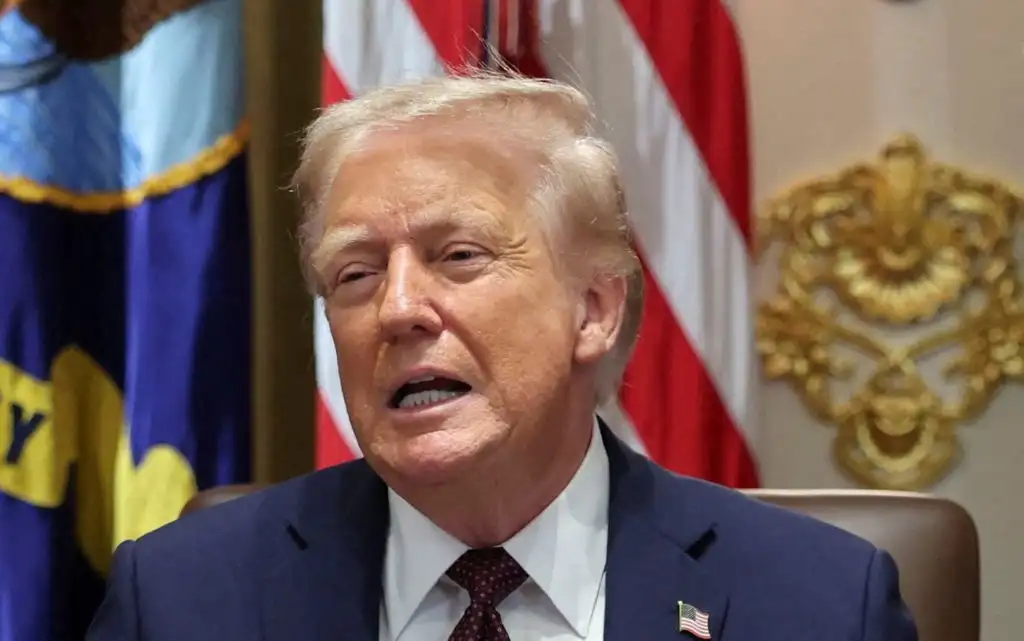
President Donald Trump stated that recent diplomatic discussions had been “very positive” and suggested that an agreement could be close. His comments contributed to a sharp rise in Asian stock markets and a decline in global oil prices amid renewed optimism over a possible breakthrough.
Iran has indicated that it will present its official position through mediator Pakistan after reviewing the latest proposal. A spokesperson for Iran’s foreign ministry, Esmaeil Baqaei, said the proposal is still under consideration and that Tehran will respond once its internal review is complete.

The talks, which are being facilitated by Pakistan and supported by several Gulf allies, are aimed at reducing tensions linked to the conflict that escalated earlier this year and has significantly affected regional security and global energy supplies.
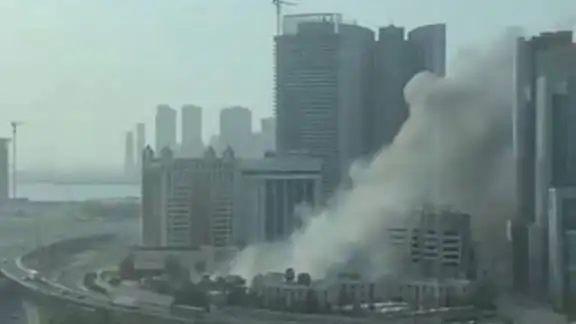
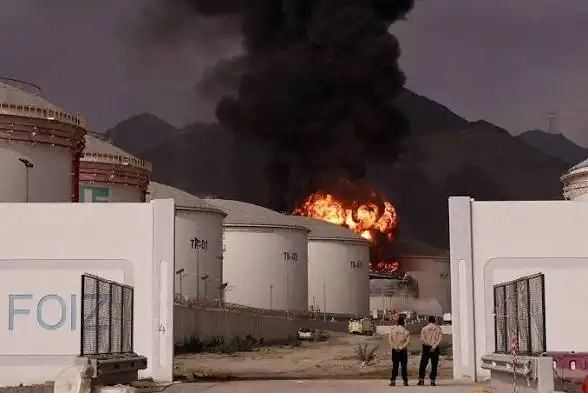
The conflict has included s across the Middle East and heightened tensions around the Strait of Hormuz, a key global shipping route that carries a significant portion of the world’s oil and gas trade.
Reports from international media suggest that discussions are also focused on a framework agreement that could serve as the foundation for broader negotiations on Iran’s nuclear programme and regional security arrangements.
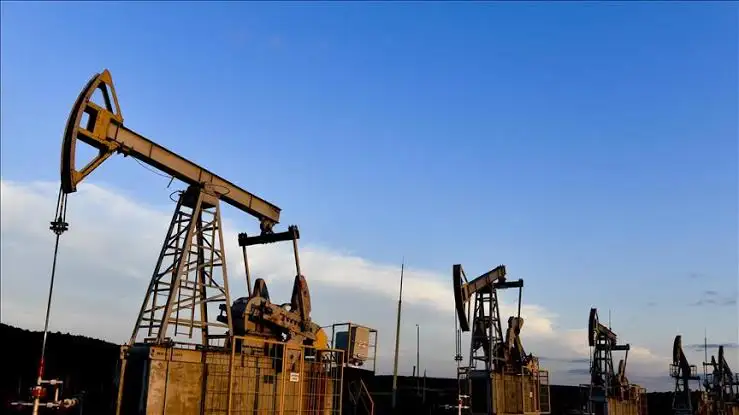
Markets reacted positively to the diplomatic signals, with oil prices falling sharply and major Asian indices posting gains as investors anticipated a possible easing of supply disruptions.
Despite the optimism, concerns remain over regional ility, particularly in Lebanon where renewed violence has raised fears of further escalation. Israel recently carried out an airstrike in southern Beirut targeting a Hezbollah commander, prompting warnings of continued military action.
Israeli Prime Minister Benjamin Netanyahu reiterated that threats against Israel would be met with force, while military exces in southern Lebanon have continued to heighten tensions.
In Iran, public sentiment remains mixed as some citizens express concern over economic hardship and increased political pressure amid the ongoing conflict.
President Masoud Pezeshkian said he had recently met with Iran’s leadership, describing the discussions as focused on national strategy and resilience during the crisis period.
As diplomatic efforts continue, global attention remains fixed on whether the United States and Iran can reach an agreement that could ease tensions, ilize energy markets, and prevent further regional escalation.




Leave a comment