

The President of the Nigeria Agribusiness Group, Kabir Ibrahim, has emphasized that value addition across the agricultural value chain remains the most effective pathway to achieving food security and reducing poverty in Nigeria.

Speaking at the Vanguard Economic Discourse 2026 held in Lagos, Ibrahim stressed the urgent need for Nigeria to transition from exporting raw agricultural commodities to processing and marketing finished products. According to him, this shift is essential for unlocking economic value, creating jobs and improving national prosperity.
He explained that while food is relatively available across the country, affordability remains the real challenge due to weak purchasing power among citizens. Ibrahim noted that boosting production alone is not enough, insisting that Nigeria must build a comprehensive agribusiness system driven by knowledge, innovation, processing and efficient market access.
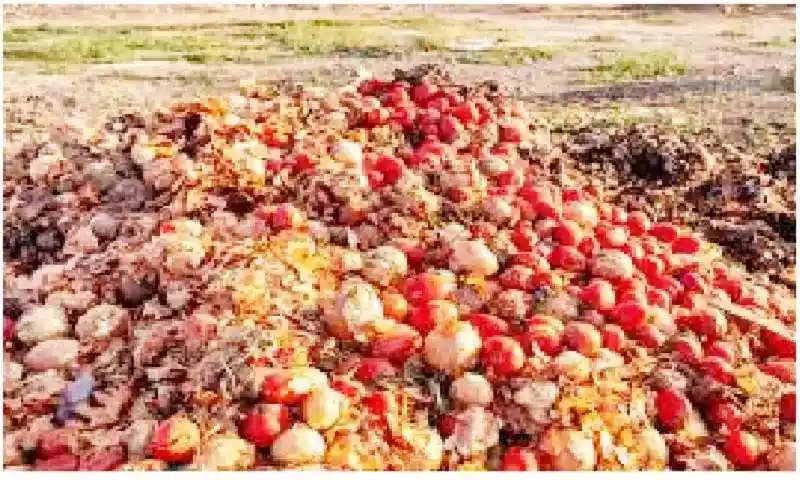
Highlighting global best practices, he pointed to countries like Brazil and Netherlands as models where agriculture thrives through a structured approach that combines innovation, value addition and strong marketing systems. He warned that exporting raw produce effectively transfers jobs and wealth to other economies, depriving Nigeria of critical economic benefits.
Ibrahim also advocated for a decentralized agricultural strategy, urging state governments to focus on developing and processing staple crops that align with local consumption patterns. He maintained that agriculture is fundamentally a rural activity and requires active participation from subnational governments to succeed.

He further called for improved planning, better loan monitoring and stronger private sector participation, noting that excessive government control has slowed progress in the sector. According to him, creating an enabling environment for agribusiness investment will accelerate growth and enhance productivity.
With vast arable land and a large domestic market, Ibrahim insisted that Nigeria has no justification for widespread hunger and poverty. He concluded that prioritizing value addition and making food affordable are critical steps toward achieving sustainable economic ility and inclusive growth.









Leave a comment