
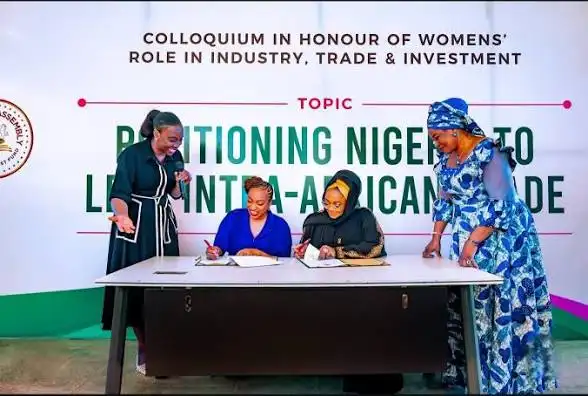
Nigeria’s push to strengthen its position in global trade may largely depend on the active participation of women entrepreneurs, according to the Executive Director and Chief Executive Officer of the Nigerian Export Promotion Council, Nonye Ayeni.

Speaking at the Women Exporters Conference in Abuja, Ayeni said Nigeria continues to hold only a marginal share of global exports despite its large population and vast economic potential. She emphasized that expanding non oil exports is critical to achieving sustainable and inclusive economic growth.
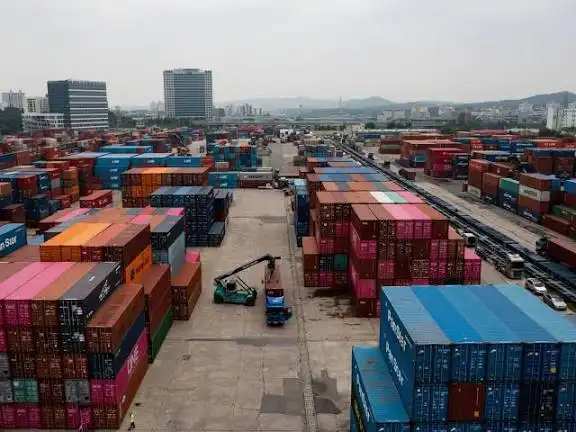
She noted that out of $24.5 trillion in global merchandise exports recorded in 2024, Africa accounted for just 3.5 percent, while Nigeria contributed only 0.26 percent. However, she described this gap as a major opportunity for economic transformation if properly harnessed.

Ayeni revealed that Nigeria achieved its highest ever non oil export performance in 2025, recording $6.1 billion in export value and 8.02 million metric tonnes in volume. She attributed this growth to policy direction under the administration of President Bola Ahmed Tinubu, improved interventions by the export council, and increased participation by small and medium enterprises.
She stressed that SMEs form the backbone of Nigeria’s economy, representing about 96 percent of businesses, with women accounting for roughly 40 percent of that sector. According to her, women are already active across the export value chain, from production to distribution and services.
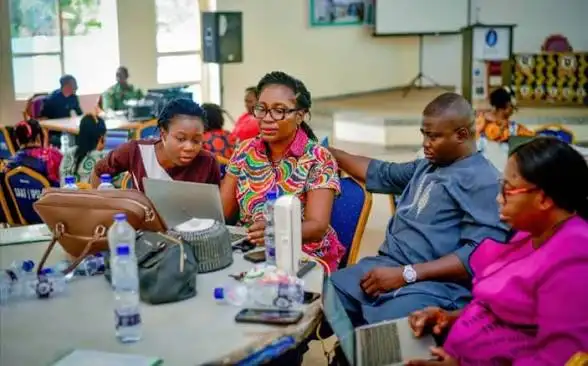
Ayeni highlighted several initiatives aimed at supporting women led businesses, including capacity building programmes, export desks across all states, and international certification support. She noted that in 2025 alone, over 97,000 people benefited from training programmes, while 210 exporters received internationally recognised certifications.
She also pointed to global opportunities such as the SheTrades initiative and a $50 million digital trade fund, where thousands of Nigerian women applied for limited slots, with selected beneficiaries receiving funding and mentorship.
Other speakers at the conference, including government officials and trade experts, stressed that improving access to finance, infrastructure, and global standards remains key to unlocking women’s export potential.
The conference reaffirmed Nigeria’s commitment to inclusive economic growth, positioning women entrepreneurs as central drivers of the country’s non oil export strategy.














Leave a comment