

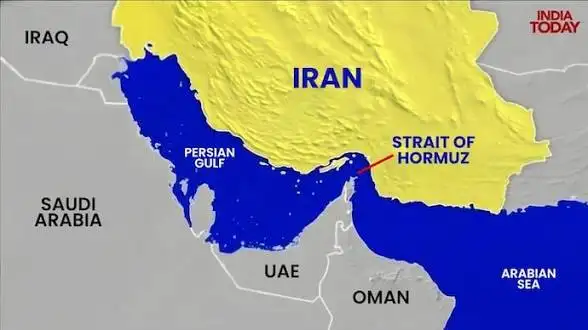
Global oil markets recorded a sharp surge as disruption along the Strait of Hormuz heightened fears over supply reliability across international energy systems. Traders reacted quickly to reports of constrained maritime movement, pushing benchmark prices upward. Analysts noted that the strategic waterway remains critical for crude transport, making any limitation a significant concern for consuming nations worldwide today.

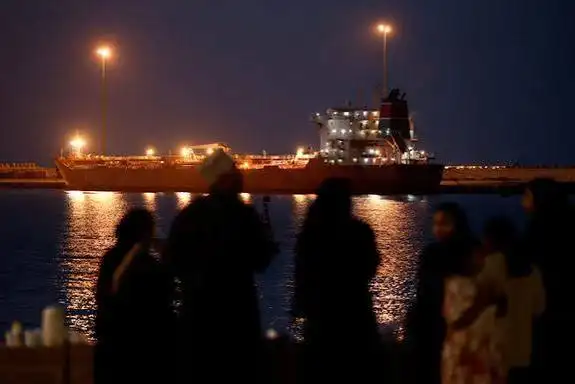
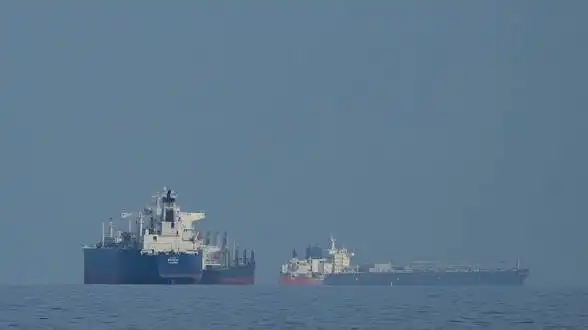
Shipping data indicated that several tankers adjusted routes or delayed transit through the narrow passage, contributing to uncertainty among energy companies and investors. Maritime authorities increased monitoring while advising caution for vessels navigating the area. The resulting slowdown in shipments created immediate pressure on supply expectations, amplifying volatility across commodity trading platforms and financial markets globally.
Energy analysts emphasized that even partial restrictions within the Strait could have disproportionate effects on global supply chains, given the volume of oil passing through daily. Refiners in Asia and Europe began assessing alternative sourcing strategies. However, logistical constraints and higher transport costs were expected to limit flexibility, reinforcing upward pressure on prices in the short term outlook.
Governments in major importing countries initiated contingency planning to manage potential shortages and ilize domestic fuel markets. Strategic reserves were placed under review, with officials considering coordinated releases if conditions worsen. Policymakers also signaled readiness to implement temporary measures aimed at reducing demand pressures while ensuring continuity in critical sectors such as transportation and manufacturing industries.
Financial markets reflected the growing uncertainty as energy stocks climbed while broader indices showed mixed performance. Investors shifted focus toward commodities and safe haven assets, anticipating prolonged tension. Economists warned that sustained increases in oil prices could contribute to inflationary pressures globally, complicating monetary policy decisions in several economies already managing fragile recovery conditions after recent disruptions.

Meanwhile, shipping insurers reassessed risk levels associated with Gulf transit routes, leading to higher premiums for vessels operating in the region. Industry stakeholders highlighted that increased operational costs would likely be passed down the supply chain, affecting consumers. The combination of logistical challenges and rising insurance expenses added another layer of complexity to the evolving global energy situation.
International organizations called for dialogue to ease tensions and ensure the uninterrupted flow of energy resources through critical maritime corridors. Experts stressed that maintaining ility in the Strait is essential for global economic balance. As developments continue, market participants remain highly sensitive to new information, with price movements expected to reflect even minor shifts in regional dynamics.













Leave a comment