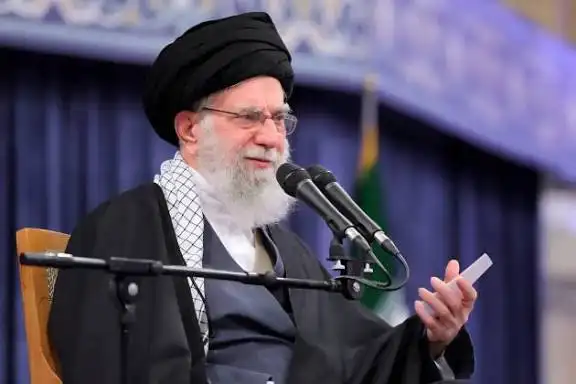
The reported death of Iran’s Supreme Leader Ayatollah Ali Khamenei has revealed profound domestic divisions across the country, with citizens reacting in markedly different ways to the news. While state media has called for forty days of public mourning and organized commemorative events, segments of the population have expressed skepticism and concern over the implications for governance and national ility.
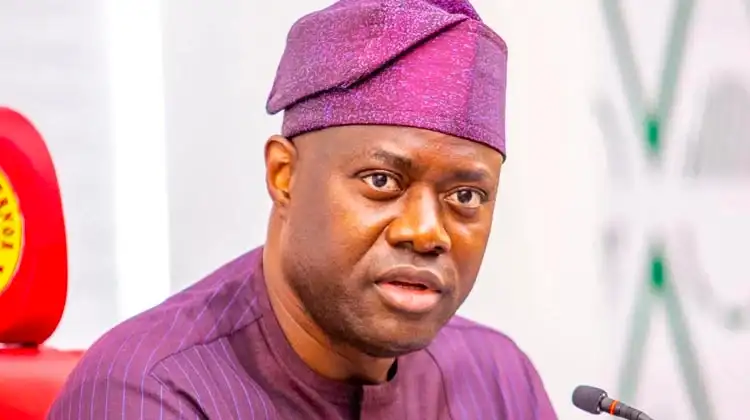
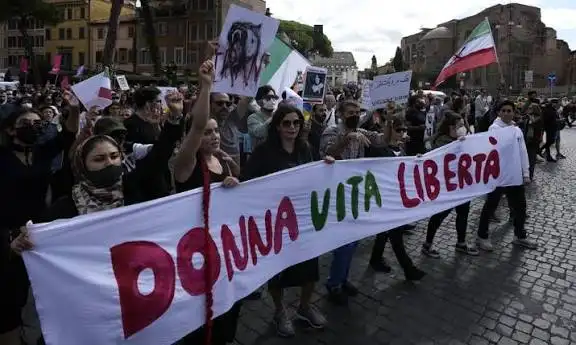
In major cities, crowds gathered for official ceremonies and religious observances, demonstrating solidarity and grief for the Supreme Leader. These gatherings were marked by organized processions, public prayers, and state directed messaging emphasizing unity and resilience. At the same time, other communities have voiced anxiety about potential power struggles, economic consequences, and the country’s strategic posture amid ongoing military escalation with the United States and Israel.
Analysts note that the contrasting responses reflect generational, political, and regional differences within Iranian society. Supporters of the Supreme Leader have emphasized loyalty to the state and continuity of leadership, while critics have raised questions about succession plans and the future direction of domestic and foreign policy. The divide is particularly pronounced in urban centers, where access to independent media and social networks has facilitated more diverse viewpoints.
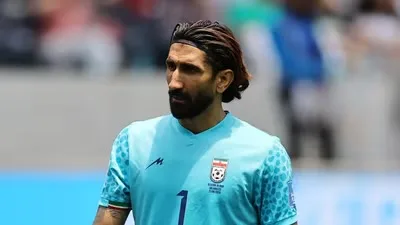
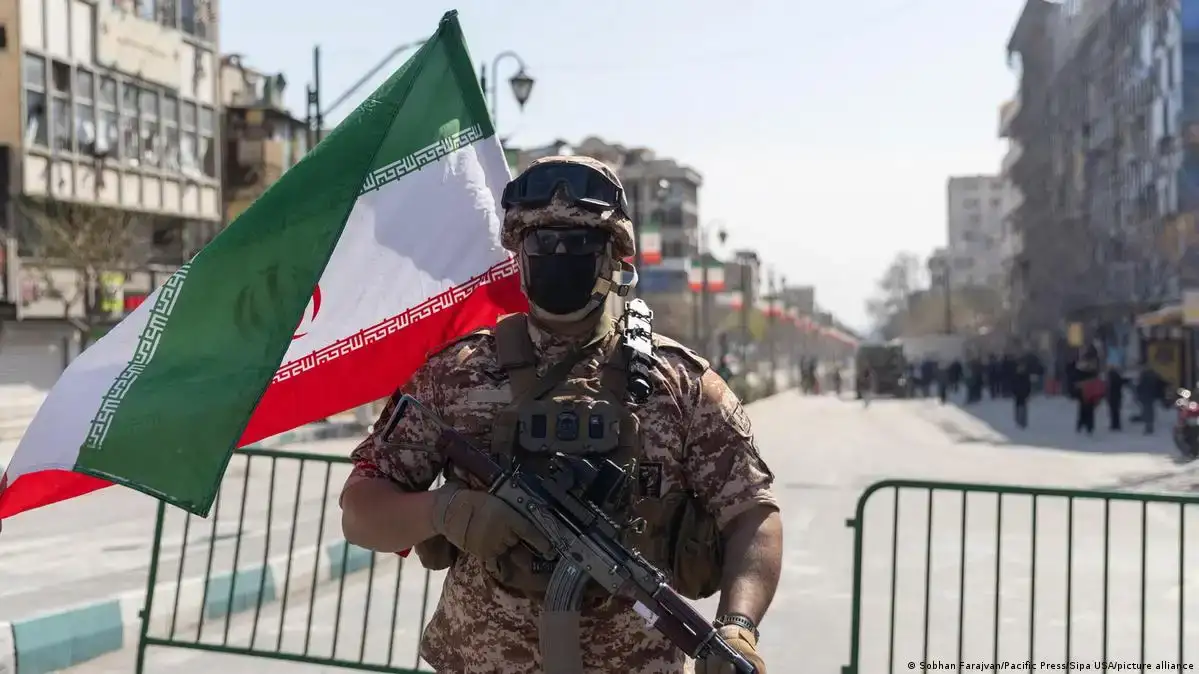
Security forces have been deployed to manage crowds and maintain order during mourning events, though reports indicate that tensions occasionally emerged between different groups expressing opposing perspectives. Authorities have emphasized the importance of maintaining decorum and preventing unrest, highlighting the delicate balance between public expression and national ility.
Observers warn that these domestic divisions could influence Iran’s response to external pressures, including military actions in the Gulf and diplomatic engagements with other countries. The government’s handling of public sentiment and the consolidation of leadership will be critical in shaping the country’s short term political trajectory.
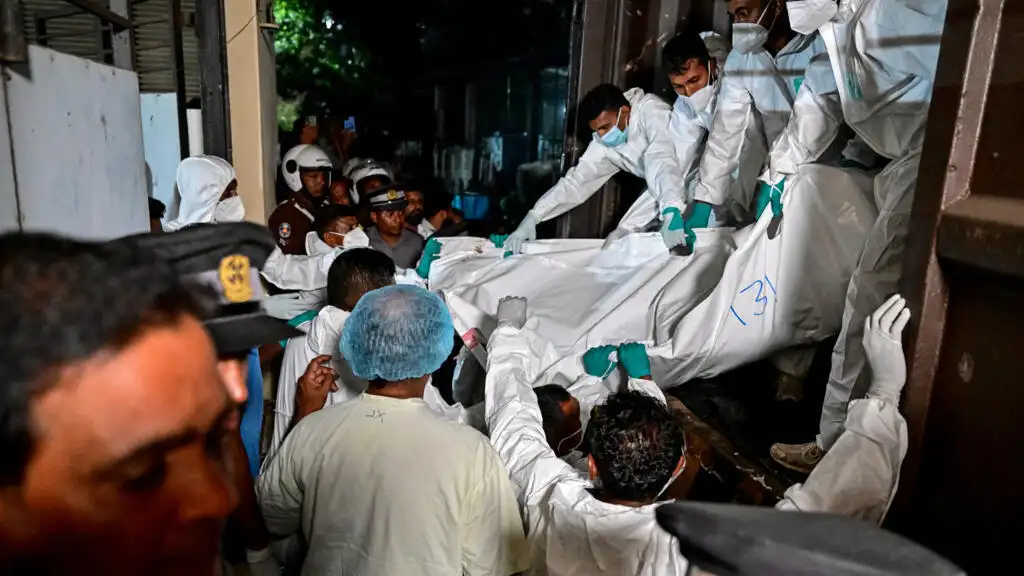
International monitors are also assessing the societal impact of the Supreme Leader’s reported death, noting that public sentiment may affect Iran’s foreign policy decisions, the pace of retaliatory actions, and broader regional dynamics. How Iran manages domestic cohesion in the coming weeks will likely have significant implications for both internal governance and external diplomatic relations.





Leave a comment