
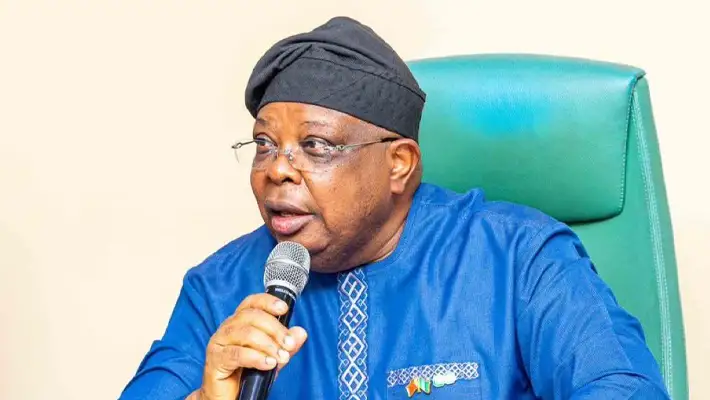
A wave of misleading reports about imminent electricity tariff increases has prompted a leading industry analyst to set the record straight on what Nigeria’s Power Minister actually said during a recent media briefing. Gaffar Tunde, a prominent stakeholder in the Nigerian Electricity Supply Industry, has issued a detailed clarification of Minister Joseph Tegbe’s remarks, challenging what he describes as a pattern of inaccurate reporting that distorts government policy and undermines public confidence in the power sector’s reform agenda.
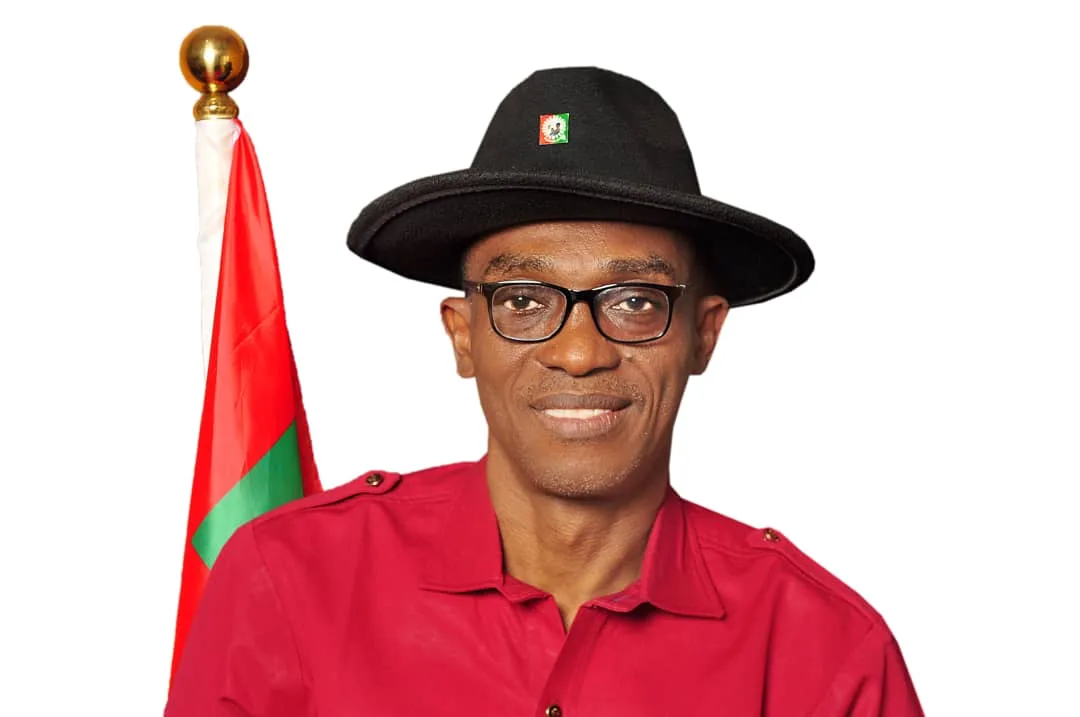
During a media engagement with senior journalists in Abuja on Friday, Minister Tegbe outlined a comprehensive strategy for revitalizing Nigeria’s struggling electricity infrastructure, yet subsequent news coverage has focused almost entirely on speculative claims about tariff hikes and subsidy removal. According to Tunde’s account, the minister’s actual priorities center on technical audits, strategic infrastructure investments, and protecting vulnerable consumers. The first major initiative involves a comprehensive technical audit of the transmission segment, designed to identify aging assets, overloaded substations, weak transmission corridors, protection failures, system bottlenecks, and operational vulnerabilities throughout the network.
Beyond the audit, Tegbe revealed plans for strategic investments in three critical transmission corridors spanning Lagos, the Enugu to Port Harcourt axis, and the Abuja to Kaduna to Kano route. These investments aim to improve grid ility and address long standing infrastructure deficits that have plagued electricity delivery across Africa’s most populous nation. The minister also outlined an integrated approach to electricity distribution, with the Rural Electrification Agency filling gaps in areas underserved by conventional distribution companies. Central to this strategy is what Tegbe described as a framework where commercially viable areas with high demand generate liquidity that can support projects serving less profitable regions.

Crucially, Tunde emphasizes what the minister did not say during the briefing. Contrary to widespread reports, Tegbe made no announcement about plans to increase tariffs or completely remove electricity subsis. The minister did explain that subsis in the electricity sector differ fundamentally from petroleum subsis, representing a tariff shortfall rather than a direct handout to consumers. He acknowledged that Nigeria’s power sector has not yet reached its potential but pointed to recent achievements, including the milestone of 5,000 megawatts in generation capacity. However, Tegbe stressed that generation figures alone do not constitute success, arguing that true progress means delivering transmission directly to households, communities, and industrial clusters across the country.
Among the concrete achievements highlighted during the briefing were completed electrification projects for essential facilities including universities and health centers powered by mini grids through the Rural Electrification Agency. Looking ahead, the agency plans to commence a new phase targeting major institutions such as the University of Lagos, University College Hospital Ibadan, and The Polytechnic Ibadan. These projects represent the kind of tangible progress that often gets lost amid politically charged debates about tariffs and subsis, according to Tunde’s analysis of the minister’s presentation.
The controversy over media coverage raises broader questions about how Nigeria’s electricity reform agenda is being communicated to the public and whether political considerations are overshadowing technical realities. As President Bola Ahmed Tinubu’s administration continues to push forward with power sector reforms, accurate reporting and public understanding of policy initiatives become increasingly critical. Whether the government can maintain momentum on infrastructure improvements while managing public concerns about affordability will likely determine the success of these ambitious plans to finally deliver reliable electricity to all Nigerians.











Leave a comment