
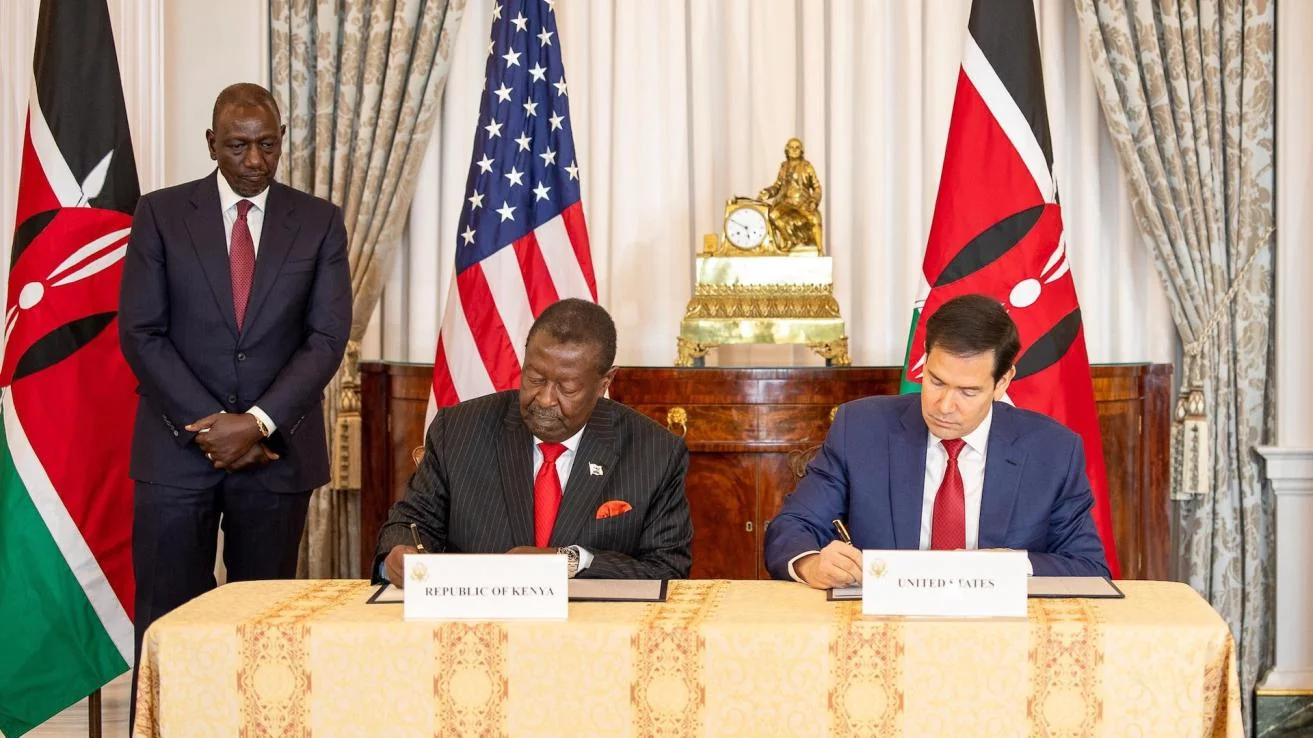
Public health advocates are raising alarm bells over a series of bilateral health agreements being negotiated between the United States and individual African nations, warning that these country specific deals could fundamentally undermine multilateral efforts to ensure equitable access to medical resources during future pandemics. Critics contend that the Trump administration is leveraging African countries’ desperate need for restored health assistance to advance arrangements that prioritize American interests over global health equity.

According to campaign groups monitoring the negotiations, the bilateral approach represents a stark departure from the collaborative frameworks that international health organizations have worked for years to elish. Rather than strengthening existing multilateral mechanisms designed to distribute vaccines, treatments, and diagnostic tools fairly across nations regardless of wealth or geopolitical alignment, these individual agreements could create a fragmented system where access depends on diplomatic relationships with Washington. Health policy experts warn this model threatens to replicate the inequities that plagued the COVID-19 response, when wealthy nations stockpiled medical supplies while lower income countries struggled to secure basic protective equipment and vaccines.
Campaigners point out that African nations find themselves in an impossible position, forced to choose between maintaining principles of global health solidarity and securing immediate assistance for their populations. Following cuts to international health funding, many countries face critical shortages in essential programs addressing HIV, tuberculosis, and malaria. Representatives from health advocacy organizations argue that exploiting this vulnerability to extract bilateral commitments represents a cynical manipulation of genuine humanitarian need for strategic advantage.

Global health governance structures have spent decades building consensus around the principle that infectious disease threats require coordinated international responses rather than transactional bilateral arrangements. Institutions like the World Health Organization and multilateral initiatives such as GAVI, the Vaccine Alliance, were specifically designed to prevent the very fragmentation that these new agreements could introduce. Experts worry that once bilateral deals become the norm, reversing course will prove extraordinarily difficult, potentially setting back pandemic preparedness efforts by years or even decades.
Beyond the immediate concerns about medical access, analysts suggest these bilateral health deals fit into a broader pattern of restructuring international relationships away from multilateral institutions toward arrangements that maximize leverage for powerful nations. Countries with fewer resources or less strategic importance to the United States may find themselves excluded from beneficial agreements altogether, creating a tiered system of health security based not on need but on geopolitical calculation. Smaller African nations without significant natural resources or strategic positioning could be left particularly vulnerable.
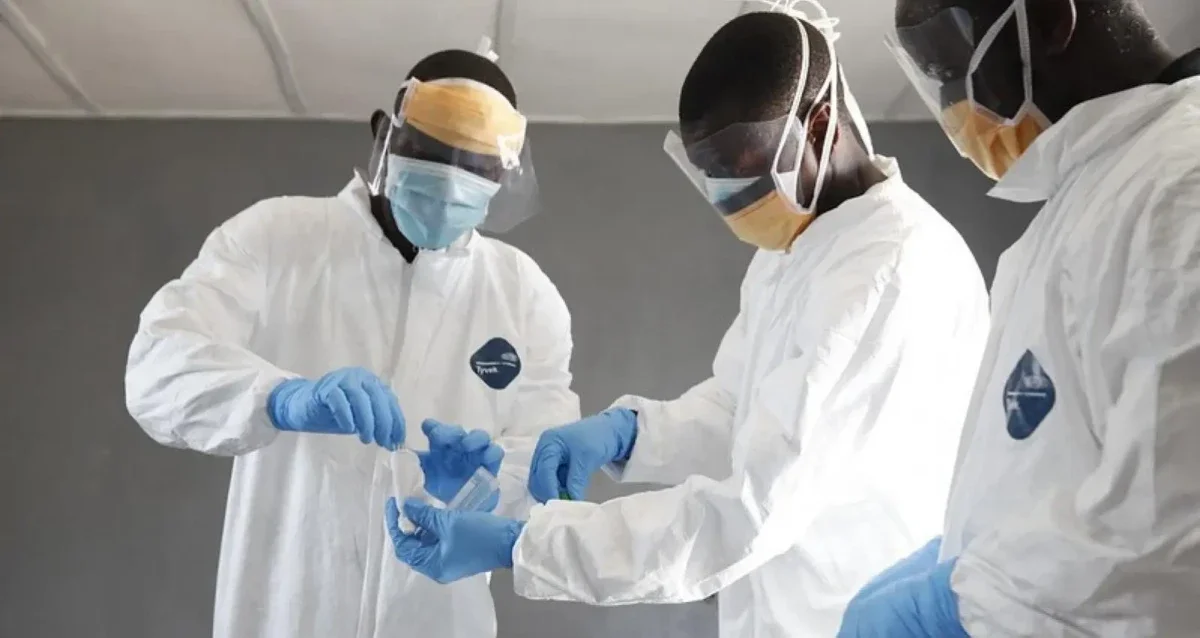
As negotiations continue in capitals across Africa, the international health community faces a critical juncture in determining whether pandemic preparedness will be treated as a collective global challenge or reduced to a series of bilateral transactions. How African nations navigate these pressures, and whether international organizations can mount effective resistance to the fragmentation of global health governance, will likely shape the world’s capacity to respond equitably to the next major health emergency. The decisions made in the coming months could determine whether the painful lessons of recent pandemics lead to stronger international cooperation or a return to the nationalism and inequity that cost so many lives.













Leave a comment