
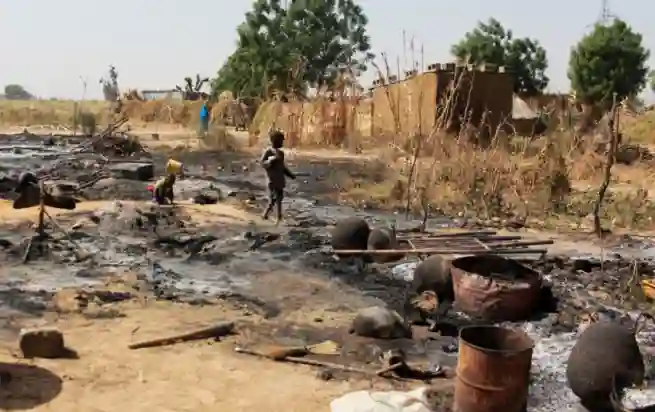
Boko Haram has adopted a desperate strategy of kidnapping children from rural villages to replenish its depleted ranks whenever the terrorist organization suffers significant casualties, according to a senior adviser to President Bola Tinubu. Daniel Bwala, Special Adviser on Policy Communication, painted a disturbing picture of how the insurgent group maintains its operational capacity despite ongoing military pressure that continues to erode its fighting strength.

Speaking during a television interview on Wednesday evening, Bwala explained the cyclical nature of the recruitment crisis facing the militant organization. When Boko Haram begins losing members through combat operations or defections, commanders dispatch raiding parties into vulnerable communities to abduct children who are then forcibly conscripted into their ranks. These unwilling recruits, taken against their will and indoctrinated in remote bush camps, represent a humanitarian tragedy that complicates Nigeria’s counterinsurgency efforts and raises profound questions about how to treat those who eventually escape or surrender.
The presidential adviser emphasized that the Nigerian government operates under international humanitarian law when dealing with these individuals, many of whom were victims before they became combatants. When fighters manage to flee insurgent camps and present themselves to government forces claiming repentance, authorities face a difficult choice. Summary execution is not an option under United Nations conventions governing armed conflict, Bwala noted, forcing the government to implement controversial rehabilitation and reintegration programs that have drawn criticism from security experts and traumatized communities alike.

Yet the rehabilitation approach carries significant risks that even government officials acknowledge. Borno State Governor Babagana Zulum has previously suggested that some resurgent s in the region may be linked to former insurgents who returned to militancy after going through deradicalization programs. Bwala conceded that such outcomes remain an unfortunate reality in modern conflict zones, drawing parallels to defections and recruitment cases involving foreign intelligence agencies in elished state institutions. Warfare and insurgency create fluid situations where yesterday’s surrendered fighter could become tomorrow’s threat, a dynamic that keeps security planners awake at night.
The forced recruitment of children represents one of Boko Haram’s most heinous tactics in a long catalog of atrocities committed across northeastern Nigeria. Since the insurgency intensified over a decade ago, thousands of young people have been abducted, with girls often subjected to ual violence and forced marriages while boys are trained as fighters and ers. International organizations have documented extensive use of child solrs by the group and its splinter factions, creating a generation scarred by violence and exploitation.

As Nigerian security forces continue operations aimed at dismantling remaining Boko Haram networks, the challenge of what to do with those who escape or surrender will only intensify. Balancing security concerns with humanitarian obligations and the recognition that many fighters are themselves victims presents no easy answers. How the Tinubu administration manages this delicate equilibrium in the months ahead could determine whether communities genuinely heal or whether the cycle of violence perpetuates itself through another generation forced into conflict they never chose.



















Leave a comment