
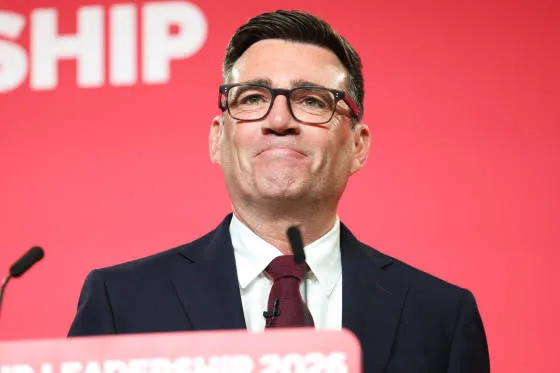
Former Greater Manchester mayor Andy Burnham will take office as UK Prime Minister on Monday, promising devolution and economic reform amid mounting political and fiscal pressures.
Britain stands on the brink of yet another ce in leadership as Andy Burnham prepares to become the nation’s seventh prime minister in just ten years, a stark reminder of the political turbulence that has gripped Westminster since the Brexit referendum. The 56 year old former Greater Manchester mayor will travel to Buckingham Palace on Monday where King Charles III will formally invite him to form a government, marking the end of Keir Starmer’s brief two year tenure and the beginning of what Burnham promises will be a fundamental reshaping of how power operates in the United Kingdom.
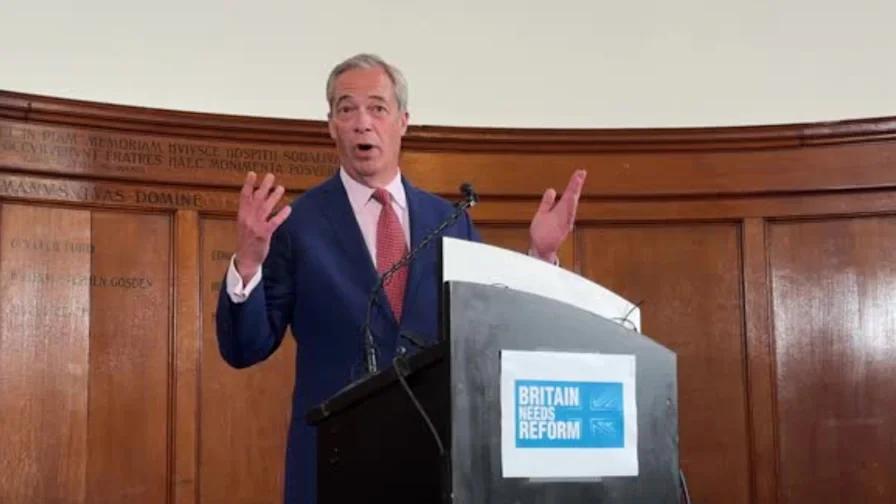
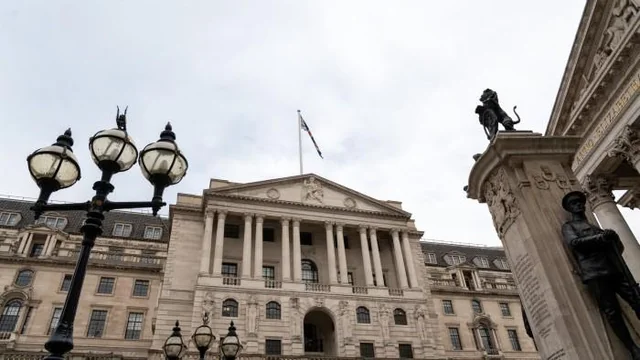
Burnham inherits a nation grappling with persistent economic headwinds and a restless electorate increasingly drawn to populist alternatives. While the UK economy outperformed both the Eurozone and G7 economies in the first quarter of 2026, growth remains sluggish in the wake of pandemic disruption. The Bank of England is widely expected to raise its base rate again this year to combat stubborn inflation, a move that threatens to increase borrowing costs for households and businesses already stretched thin. Public finances remain under considerable strain, and the rising popularity of Nigel Farage’s Reform UK party has narrowed the window for Burnham to demonstrate that his government can deliver meaningful ce before the next general election.
Central to Burnham’s vision is what he calls a “rewiring” of Britain, a restructuring that would shift political and economic power away from its historical concentration in London. His pledge to grant regional leaders greater autonomy represents more than constitutional tinkering. Deputy Labour leader Lucy Powell framed the agenda in human terms, describing policies designed to give ordinary people security in work, affordable housing, and communities they can take pride in while ensuring their children have genuine opportunities for advancement. Devolution, in Burnham’s view, is not merely an administrative reform but the key to unlocking economic growth and revitalizing public services that have atrophied under centralized control.
Already, Burnham has made his first major policy announcement by scrapping the proposed nationwide digital identity scheme that Starmer championed, a programme estimated to cost £1.8 billion over three years. Rather than pursuing what critics described as an expensive and intrusive surveillance infrastructure, Burnham’s team says the funds will be redirected to provide immediate relief for households struggling with the cost of living crisis. He has also indicated openness to greater public oversight of failing utilities, with Thames Water and its estimated €23.5 billion debt load emerging as a test case for how his government might intervene in essential services where private ownership has faltered.
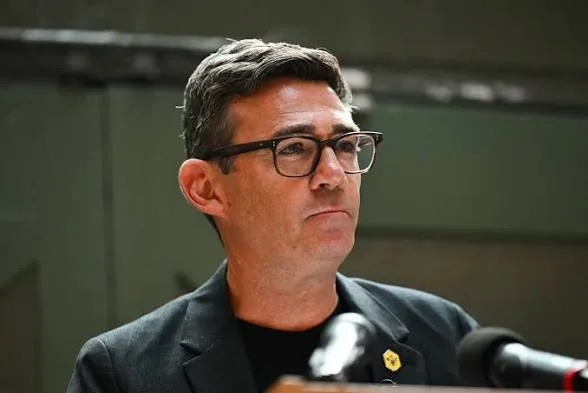
Yet Burnham’s ascent to the premiership has not followed the usual path of scrutiny and public debate. Because no other Member of Parliament stepped forward to challenge his bid for the Labour leadership, he avoided the traditional gauntlet of televised debates and party hustings that typically force candidates to defend their positions and clarify their vision. Critics have seized on this unusual trajectory, arguing that Burnham has offered only vague outlines of his plans rather than the detailed policy framework voters deserve. His first speech after announcing his leadership intentions was long on rhetoric about transformation but short on specifics, leaving observers to wonder whether the substance will match the ambitious tone once governing begins in earnest.
Monday’s ceremony at Buckingham Palace will follow centuries of constitutional tradition, a reminder that even in an age of rapid political ce, some protocols endure. Under Britain’s constitutional monarchy, a new prime minister cannot assume office until the monarch extends a formal invitation to form a government. Starmer will first travel to the palace to tender his resignation, and only after King Charles accepts will he invite Burnham to take the reins. The ritual, once known as “kissing hands,” remains largely symbolic today but underscores the principle that governments derive their authority from the Crown while exercising power on behalf of Parliament. After leaving Buckingham Palace, Burnham will make his way to Downing Street to deliver his first address to the nation, a moment that will offer the clearest indication yet of whether his premiership will break the cycle of short tenures and unfulfilled promises or become another chapter in Britain’s prolonged political inility. Cabinet appointments are expected to follow shortly after, setting the stage for a government that must deliver results quickly or risk joining its predecessors in the history books as yet another failed experiment.









Leave a comment