
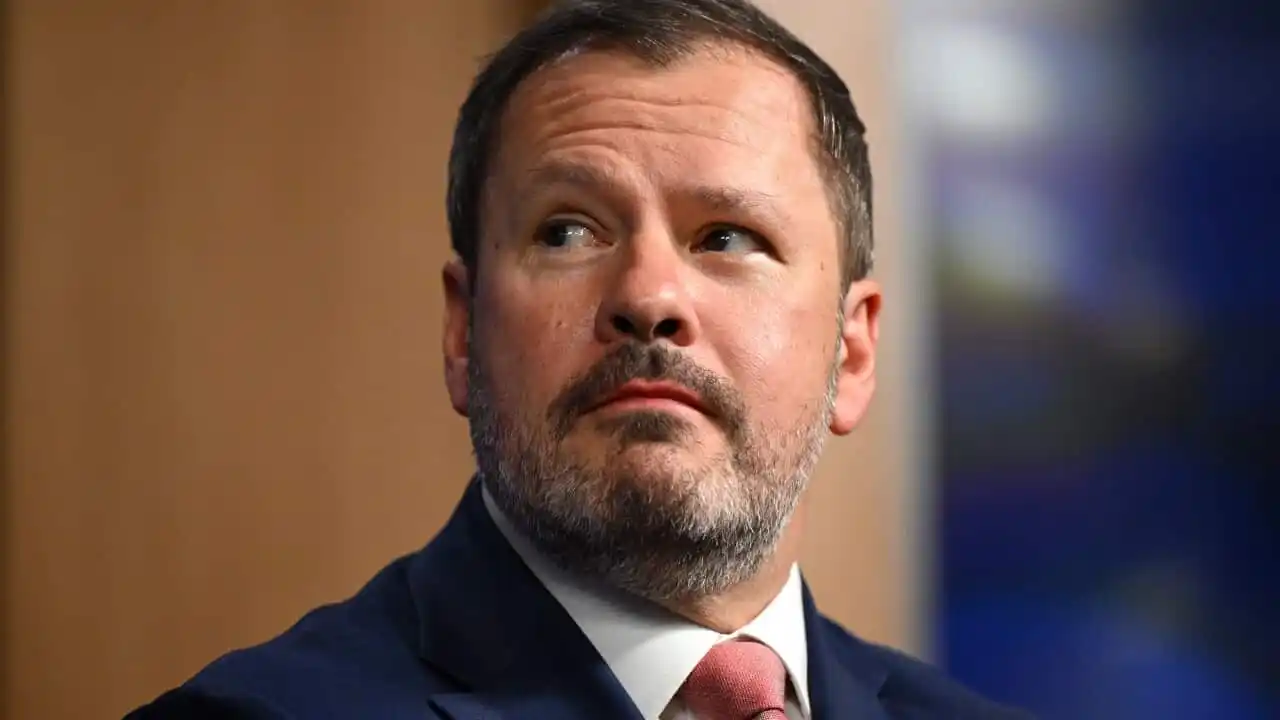
Labor MP Ed Husic has issued a stark warning to his parliamentary colleagues that any attempt to weaken copyright protections to favour artificial intelligence companies would fundamentally betray the values of the Labor Party. Speaking ahead of a highly anticipated speech by Prime Minister Anthony Albanese on AI regulation, Husic argued that allowing tech giants to freely sc copyrighted material without compensation would undermine the core Labor principle of “a fair day’s pay for a fair day’s work”.

Husic, who has consistently advocated for stronger government intervention in AI policy, emphasized that major technology firms including OpenAI and Anthropic should not be permitted to operate without robust regulatory oversight. His position reflects growing concern within Labor ranks that the rapid advancement of artificial intelligence is occurring without adequate safeguards for creators, workers, and Australian intellectual property rights. The debate comes at a critical juncture as the government prepares to outline its framework for AI governance, data centre development, and protection of domestic creative industries.
The timing of these comments is significant, coinciding with Albanese’s scheduled address in Sydney where he is expected to announce concrete measures on AI guardrails. Industry observers suggest the government faces mounting pressure from both technology companies seeking regulatory flexibility and creative sector advocates demanding stronger protections. Husic’s intervention appears designed to stake out a firm position within caucus before key policy decisions are finalized, signaling that at least some Labor MPs are prepared to push back against industry lobbying efforts.
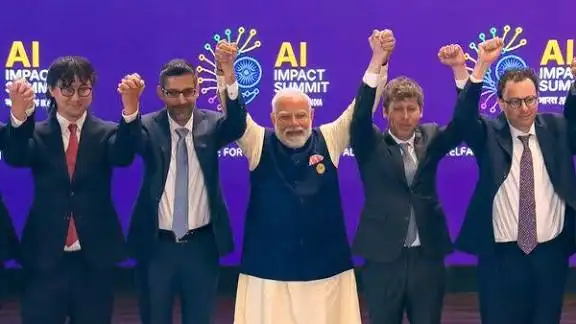
Copyright reform has become one of the most contentious issues in the AI debate globally, with technology companies arguing that training large language models requires access to vast amounts of existing content. Critics counter that this amounts to mass appropriation of creative work without compensation or consent. Husic’s stance aligns him with writers, artists, musicians, and other creative professionals who fear their livelihoods could be undermined by AI systems trained on their work without permission or payment.
Meanwhile, other significant developments are unfolding across the nation. A teenager suffered life threatening injuries following an alleged bing incident at a Brisbane school, prompting renewed concerns about youth violence and school safety protocols. Authorities in Melbourne have announced what they describe as a breakthrough in investigations into the city’s hospitality industry conflicts, with alleged connections to international organized crime figures. Police have also released new photographs in their ongoing investigation into the decades old of British backpacker Peter Falconio, hoping fresh appeals might finally unlock crucial information.

Looking ahead, the government’s AI policy announcement will likely set the tone for Australia’s approach to artificial intelligence regulation for years to come. How Albanese balances innovation incentives with protections for workers and creators will be closely scrutinized by both industry stakeholders and Labor’s traditional base. Husic’s preemptive warning suggests internal party debates on these issues remain unresolved, and the final policy framework may yet be subject to significant behind the scenes negotiation before implementation begins.











Leave a comment