
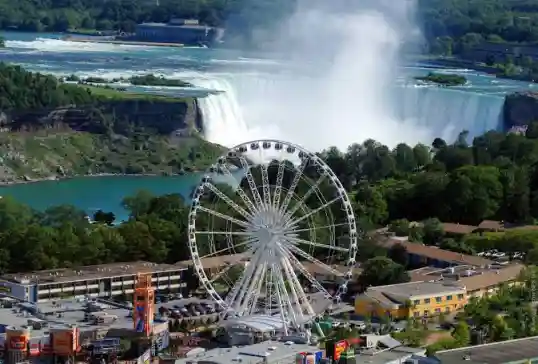
A controversial proposal to build a second giant observation wheel in the heart of Niagara Falls’ historic Queen Victoria Park appears to have been defeated by an unlikely alliance of public outrage and private enterprise. After more than 1,200 residents packed a town hall meeting to voice their opposition, a letter from HOCO Entertainment offering to transform the existing Niagara SkyWheel into Canada’s largest observation wheel may have delivered the final blow to the provincial government’s vision. Mayor Jim Diodati, who sits on the board of the Niagara Parks Commission overseeing the park, declared the matter settled. “As far as I’m concerned, it’s a dead issue,” he told reporters on Tuesday.

The saga began in mid December when Premier Doug Ford’s government unveiled its ambitious Destination Niagara plan, which included the observation wheel proposal alongside new casinos, marina redevelopments, and a five star boutique hotel conversion of a historic hydro station. The stated goal was nothing short of doubling tourism in a region that already welcomes 13 million visitors annually. Yet the centrepiece proposal to place a towering observation wheel in Queen Victoria Park, known for its unspoiled natural beauty overlooking both the Horseshoe Falls and American Falls, immediately sparked fierce resistance from residents and preservationists alike.
What followed was a masterclass in what Diodati called “quiet diplomacy.” Behind the scenes, the mayor held multiple meetings with Harry Oakes of HOCO Entertainment, which has operated the current 17 storey Niagara SkyWheel on Clifton Hill for two decades. “The best way to combat a bad idea is with a better idea, and I think that’s what we did here,” Diodati explained. On July 2, the Niagara Parks Commission received a formal letter of intent from HOCO proposing to upgrade and expand their existing attraction rather than building a competing structure in the pristine parkland.

David Adames, chief executive officer of Niagara Parks, confirmed that the commission is now reviewing the HOCO proposal and its implications for the Queen Victoria Park project. He praised HOCO as “a proven and successful attraction” and “an excellent tourism operator, very experienced,” lending credibility to their counteroffer. While the commission must still officially cancel the request for proposals process that launched on December 15, Diodati characterized that step as mere formality. “I think everybody has made their minds up on this quite some time ago,” he said.
Monday night’s packed town hall at Club Italia demonstrated just how deeply the community opposed placing commercial infrastructure in Queen Victoria Park. Attendees signed petition boards and spoke passionately about preserving the natural landscape that has defined Niagara Falls for generations. Tim Johnson of the Niagara Academy for Indigenous Relations was among those who publicly registered his opposition, part of a groundswell that crossed demographic and political lines. Public sentiment proved so uniformly negative that even supporters of the broader Destination Niagara initiative distanced themselves from the observation wheel component.
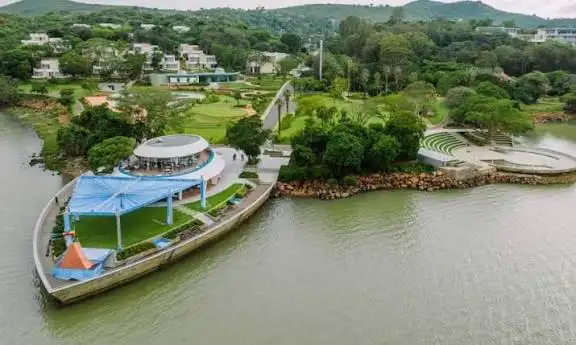
The apparent collapse of the Queen Victoria Park wheel proposal raises questions about how the Ford government will proceed with the rest of its tourism development agenda for the region. Tourism Minister Stan Cho’s office stated that while Niagara Parks reviews the HOCO letter and its impact on procurement, the commission continues advancing other Destination Niagara projects. Whether this episode will prompt more careful community consultation on future proposals remains to be seen. For now, preservationists and residents can claim a rare victory in an era when development pressures often override local opposition, proving that sometimes the loudest voice in the room belongs to the people who actually live there.










Leave a comment