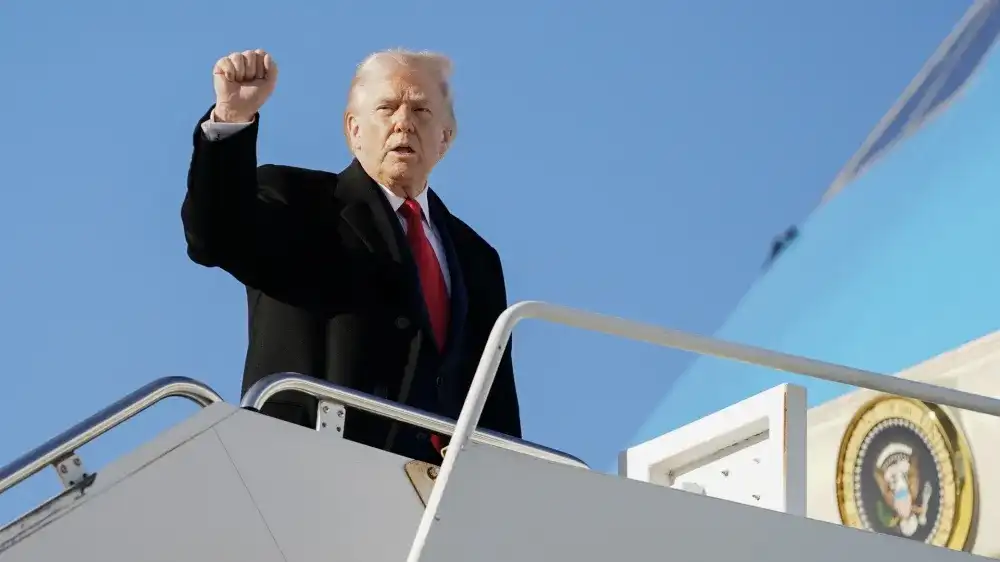
Americans seeking free tickets to the opening ceremony of the nation’s 250th birthday celebration on the National Mall found themselves navigating through a registration system that asked them to consent to receiving fundraising solicitations from a political organization affiliated with President Donald Trump. After inquiries from journalists, organizers quietly removed the controversial requirement, claiming it had been included by mistake.
Freedom 250, the White House aligned organization coordinating a series of public and private events commemorating America’s semiquicentennial, hosted its kickoff celebration on June 24 with an event billed as “America is Back.” Promoted as the official opening of the Great American State Fair on the National Mall, the free event encouraged attendees to register in advance through an online portal. However, that RSVP page directed prospective attendees to a Trump branded registration site, requiring them to provide email addresses and requesting cellphone numbers. Consent checkboxes on the forms explicitly authorized the collection of personal data that could be used for fundraising purposes.
Legal experts and government watchdog organizations have raised serious concerns about the practice, particularly given that Freedom 250 events take place on federal property using taxpayer supported resources. Lisa Gilbert, co-president of Public Citizen, described the data collection as deeply troubling. Personal contact information, especially cellphone numbers and email addresses, represents some of the most valuable currency in modern political campaigns. Direct contact channels allow organizations to reach supporters with fundraising appeals, volunteer recruitment messages, and voter mobilization efforts at minimal cost.

Freedom 250 has organized multiple high profile events featuring presidential appearances, including a July 3 celebration at Mount Rushmore in South Dakota, an August IndyCar race in Washington, and a UFC themed event in mid June. Each gathering has drawn criticism from those who argue that what Congress initially elished as a bipartisan, nonpolitical commemoration of American history has been transformed into a partisan platform. Critics point to campaign style speeches and politically charged messaging that characterize these celebrations, a stark departure from the inclusive spirit originally envisioned for the anniversary.
Organizers defend their data collection practices, insisting that registration information serves only to enhance the attendee experience. A spokesperson for Freedom 250 acknowledged that vendor provided language about fundraising consent appeared on registration forms but characterized its inclusion as an error. After media inquiries brought attention to the issue, that language was removed from the ticketing system. Yet questions persist about what happens to data already collected from thousands of Americans who registered believing they were simply claiming tickets to a national celebration.
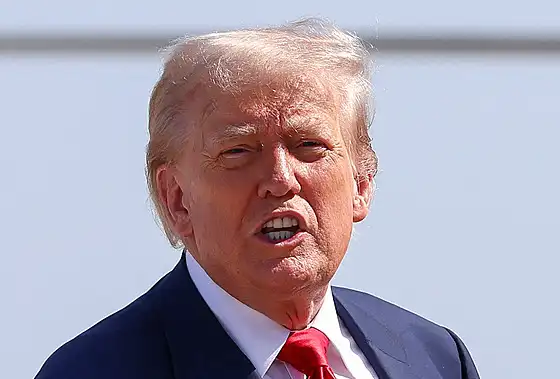
As Freedom 250 continues rolling out events throughout the year, scrutiny over the blurred lines between public commemoration and partisan politics seems certain to intensify. Campaign finance experts emphasize that transparency about data usage matters profoundly when government resources and national symbols become intertwined with political operations. Whether organizers can maintain public trust while navigating these concerns may well determine how Americans remember not just the nation’s 250th birthday, but also who controlled its celebration and to what ends that control was exercised.











Leave a comment