
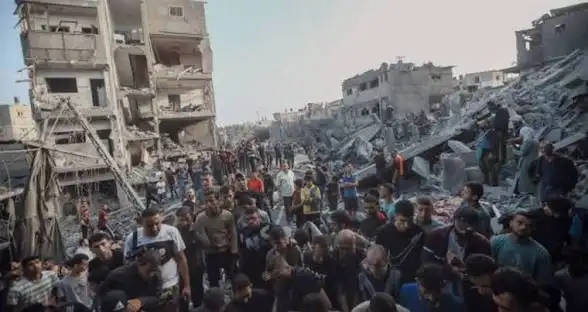
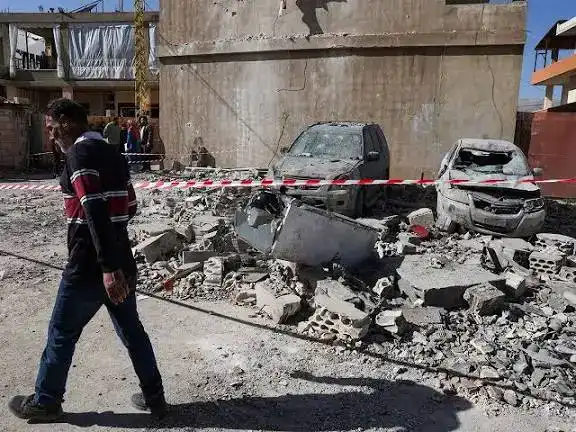
Diplomatic activity has increased sharply as governments and international organizations work to prevent the ongoing Middle East war from spreading across the region. Leaders from several countries have begun urgent consultations aimed at reducing tensions and encouraging dialogue between the parties involved in the conflict. The growing concern among policymakers is that continued military pressure and retaliatory actions could draw additional states into the confrontation, creating a broader regional crisis with significant global consequences.
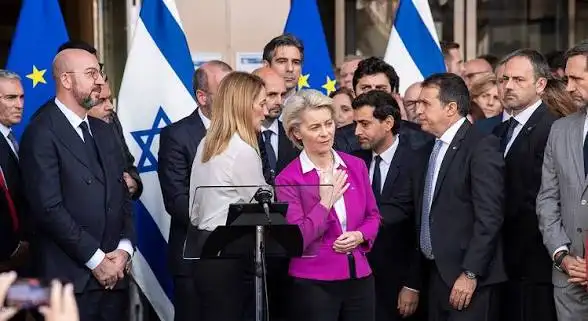
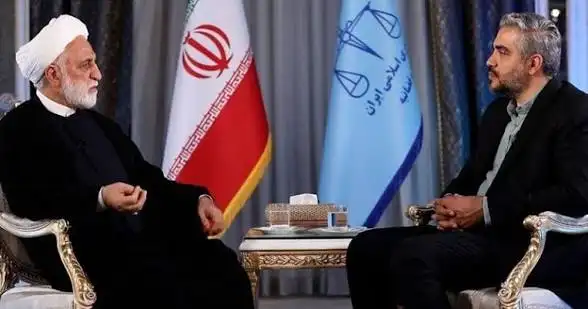
Officials involved in the discussions say the immediate objective is to elish communication channels that could help manage the escalating situation. Diplomatic envoys are working behind the scenes to maintain dialogue with governments across the Middle East while also coordinating with international partners. These efforts include attempts to encourage restraint, reduce misunderstandings, and prevent incidents that could rapidly intensify the conflict. Diplomats say maintaining open communication is essential during periods of heightened tension.
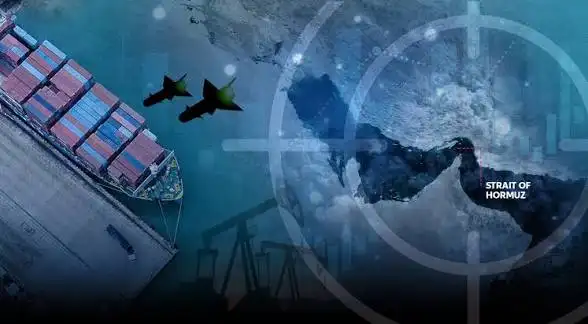
Regional governments are also engaging in their own discussions aimed at preserving ility within their borders. Many countries in the Middle East have close economic and security ties with both sides involved in the confrontation. As a result, they are seeking ways to balance their diplomatic relationships while promoting de escalation. Political leaders in several capitals have emphasized the importance of preventing the conflict from affecting key infrastructure, shipping routes, and civilian communities across the region.
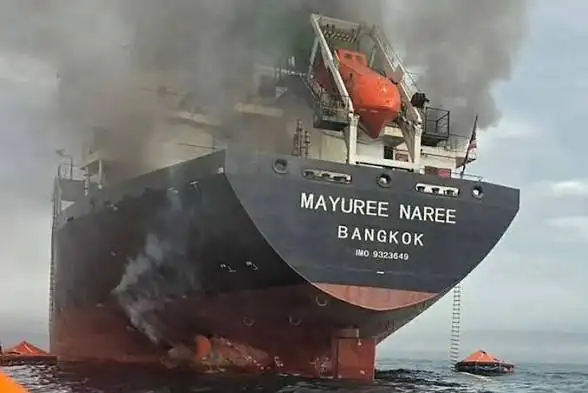
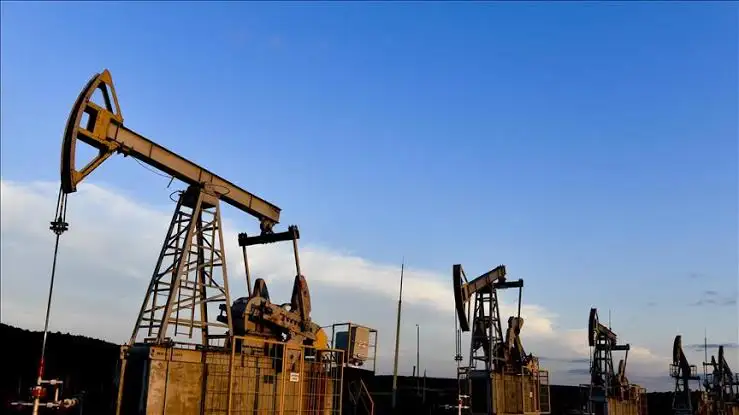
International organizations are playing an active role in coordinating these diplomatic initiatives. Representatives from global institutions have urged all parties to pursue dialogue and consider humanitarian concerns as the conflict continues. Meetings between diplomats and foreign ministers are focusing on practical steps that could reduce immediate risks, including the protection of civilian areas and the safeguarding of critical economic routes that support global trade and energy supply.
Despite the intensity of the diplomatic activity, analysts caution that preventing further escalation will remain challenging as long as military operations continue. However, many policymakers believe that sustained diplomatic engagement offers the best chance of limiting the geographic scope of the war. Governments involved in the negotiations say their priority is to maintain regional ility and create conditions that could eventually support a broader political resolution to the crisis.









Leave a comment