
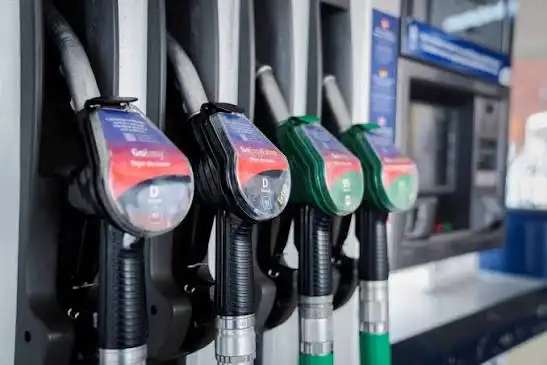
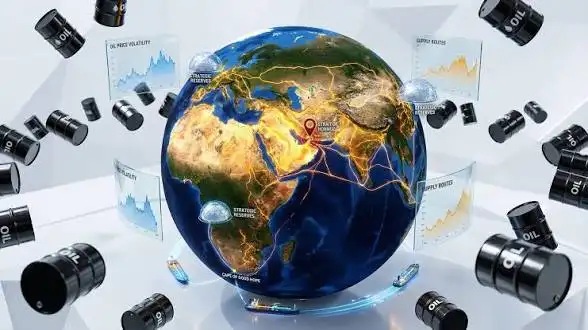
Economists are warning that continued disruption to energy supply could intensify inflation pressures across the global economy. The ongoing confrontation in the Middle East has raised concerns about the ility of oil production and transportation routes that supply fuel to markets around the world. Analysts say that when energy prices rise quickly, the effects often spread far beyond the oil industry, influencing the cost of goods and services across multiple sectors.

Energy is a fundamental component of modern economic systems because it powers transportation, manufacturing, and agriculture. When oil prices increase, businesses frequently face higher operating costs as fuel becomes more expensive for shipping goods and running industrial equipment. These additional expenses can eventually be passed on to consumers, leading to broader price increases that affect everyday products and services.
Financial institutions and economic research groups are closely studying the potential inflationary impact of the current energy situation. Many analysts believe that if supply disruptions continue for an extended period, central banks may face new challenges in managing economic ility. Rising fuel costs can complicate efforts to control inflation, particularly in countries that rely heavily on imported energy.

Developing economies may face some of the greatest risks if global fuel prices remain elevated. Nations with limited domestic energy production often depend on international markets to meet their fuel needs. When prices rise sharply, government budgets can come under pressure as authorities attempt to maintain subsis or prevent large increases in transportation and electricity costs.
Policymakers around the world are monitoring developments closely while considering strategies to manage potential economic consequences. Some governments are reviewing emergency fuel reserves and exploring ways to diversify energy sources to reduce vulnerability to external shocks. As tensions in the Middle East continue to influence global energy markets, economists say the relationship between fuel prices and inflation will remain a key concern for the international economy.
















Leave a comment