
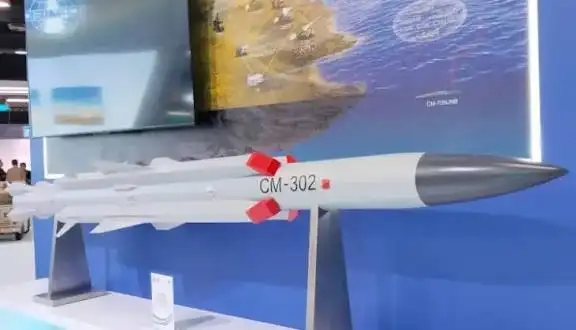
Iran is nearing a potential agreement to acquire supersonic anti ship missiles from China, a development that could significantly alter maritime security calculations across the Middle East and beyond.
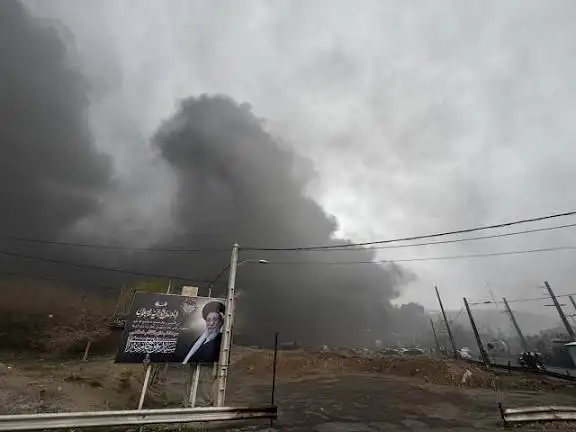
According to regional security sources, discussions between Tehran and Beijing have intensified in recent weeks, with negotiations reportedly focused on advanced missile systems capable of high speed maneuverability and extended range. While neither government has publicly confirmed a finalized contract, analysts suggest that the talks reflect deepening military cooperation between the two countries.
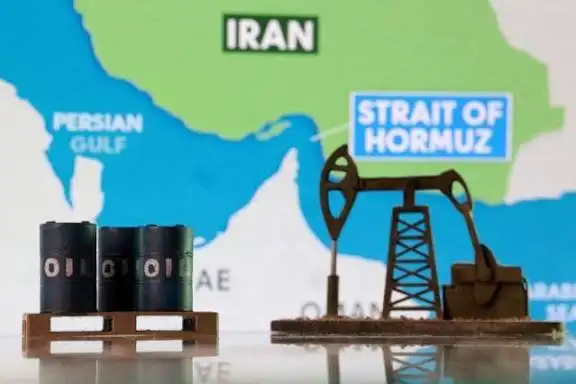
Supersonic anti ship missiles are designed to travel at speeds exceeding the speed of sound, reducing reaction time for defensive systems and increasing the difficulty of interception. If Iran secures such capabilities, it could enhance its ability to project power in strategic waterways including the Strait of Hormuz, a critical artery for global energy shipments.
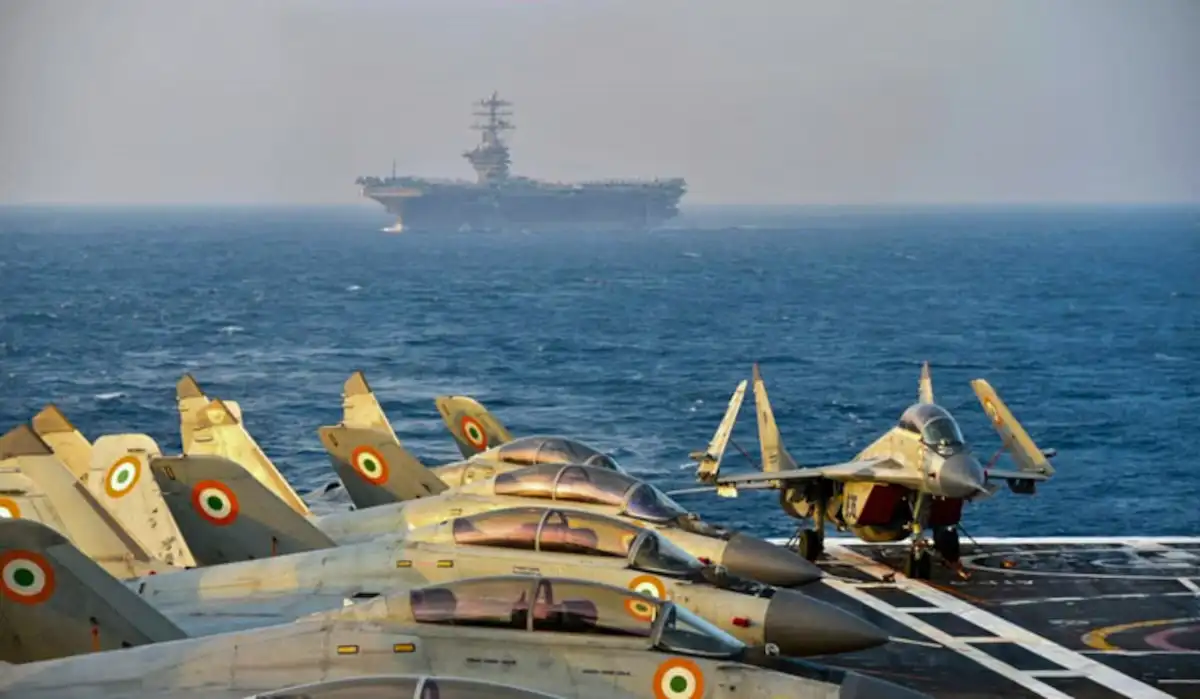
The prospect of the deal has drawn concern from Western governments and regional rivals, who fear that the introduction of more advanced naval strike systems could escalate tensions. The United States has repeatedly expressed concern over arms transfers that may deilize sensitive regions.
For China, expanded defense engagement with Iran would underscore its growing influence in the Middle East. Beijing has cultivated economic and diplomatic ties with Tehran, particularly in the energy sector, while positioning itself as a global actor capable of shaping regional dynamics.

Iranian officials have long emphasized their right to develop and procure defensive systems to safeguard national sovereignty. The country has invested heavily in missile technology as part of its broader deterrence strategy, particularly amid sanctions and security pressures.
Security experts caution that any finalized agreement would likely intensify strategic competition in the Gulf. Neighboring states could respond by accelerating their own defense acquisitions, potentially fueling an arms buildup.
As maritime routes remain vital to global trade and energy markets, the implications of advanced missile deployments extend far beyond the immediate region. Whether the reported negotiations culminate in a formal contract will be closely monitored by policymakers and defense analysts worldwide.














Leave a comment