British authorities have barred two prominent American political commentators from entering the United Kingdom, preventing them from attending scheduled events in London this week. Turkish-American journalist Cenk Uygur, founder of the online news network The Young Turks, revealed on social media that his travel authorization was revoked just as he attempted to board a flight to London. He was due to speak at SXSW London and deliver an address at Oxford University.
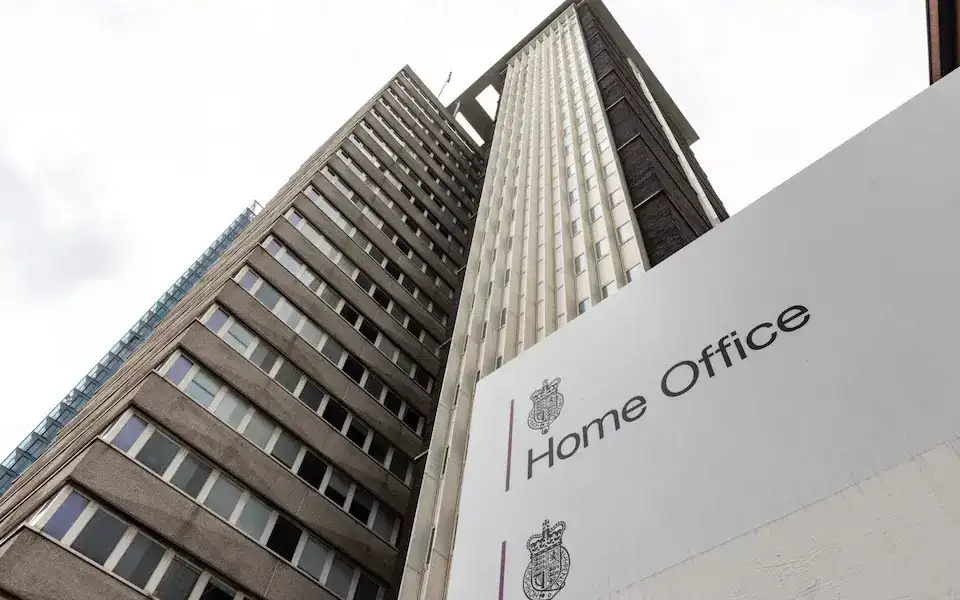
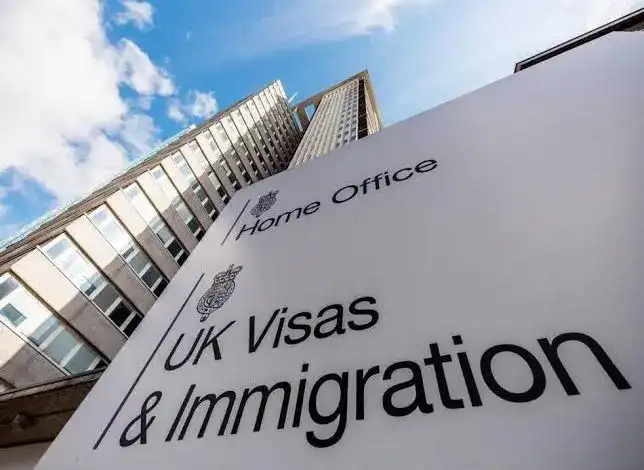
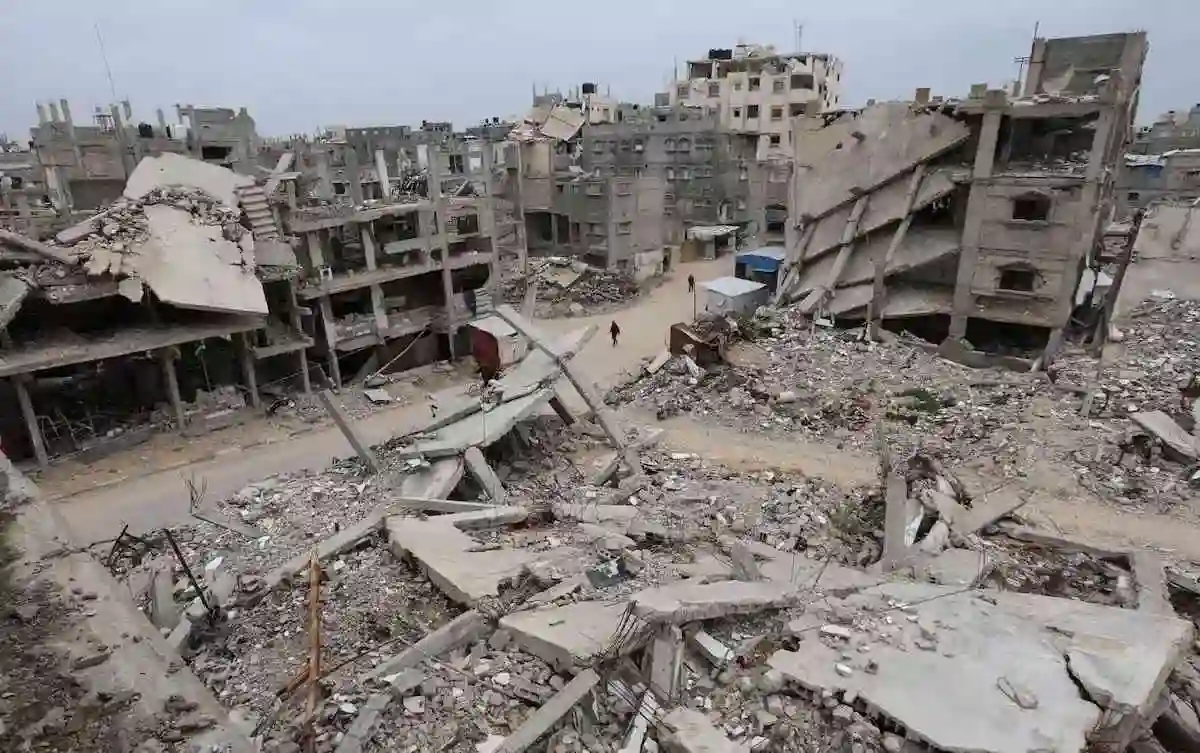
Home Secretary Shabana Mahmood cancelled Uygur’s Electronic Travel Authorisation after determining his presence would not be conducive to the public good, according to reports. The decision appears to stem from Uygur’s outspoken criticism of Israel’s military operations in Gaza, which he has repeatedly characterized as genocide. Officials reportedly expressed concerns that his rhetoric following the 7 October 2023 Hamas on Israel could fuel antisemitism and exacerbate community tensions within Britain. Uygur forcefully denied any such intent and accused British authorities of censoring legitimate political criticism of a foreign government’s military actions.
Political commentator and Twitch streamer Hasan Piker, who is Uygur’s nephew, subsequently announced that his visa had also been revoked. Piker, who was similarly scheduled to appear at SXSW London, alleged the decision was made at the behest of Israel. Both commentators have cultivated substantial online followings through their progressive political commentary and have been particularly vocal critics of Western support for Israeli military operations in Gaza. Their planned appearances at South by Southwest, an annual film and music festival expanding its reach beyond its Austin, Texas origins, had been anticipated by their supporters in the UK.
The exclusions represent the latest actions in an apparent pattern of increased scrutiny by British immigration authorities toward foreign speakers critical of Israel. In April, the government elished a dedicated task force specifically aimed at identifying and blocking individuals deemed potential threats to public order from travelling to Britain. That same month, authorities banned American Muslim preacher Dr Shadee Elmasry from entering the country over social media posts criticizing Western support for Israel. Mahmood revoked his travel authorization mere days before scheduled speaking engagements in Birmingham, Bolton and Ilford, despite Elmasry’s assertions that his message centered on compassion and connection.
Civil liberties advocates and free speech organizations have expressed alarm at what they characterize as a troubling pattern of political censorship. Critics argue that preventing commentators from entering Britain based on their views about foreign policy sets a dangerous precedent that could chill legitimate political discourse. The government maintains that it has a responsibility to prevent individuals whose presence might incite community tensions or contribute to hate speech from entering the country. Officials point to the volatile nature of public discourse surrounding the Israeli Palestinian conflict and argue that certain rhetoric, regardless of intent, can inflame existing community divisions within Britain’s diverse population.
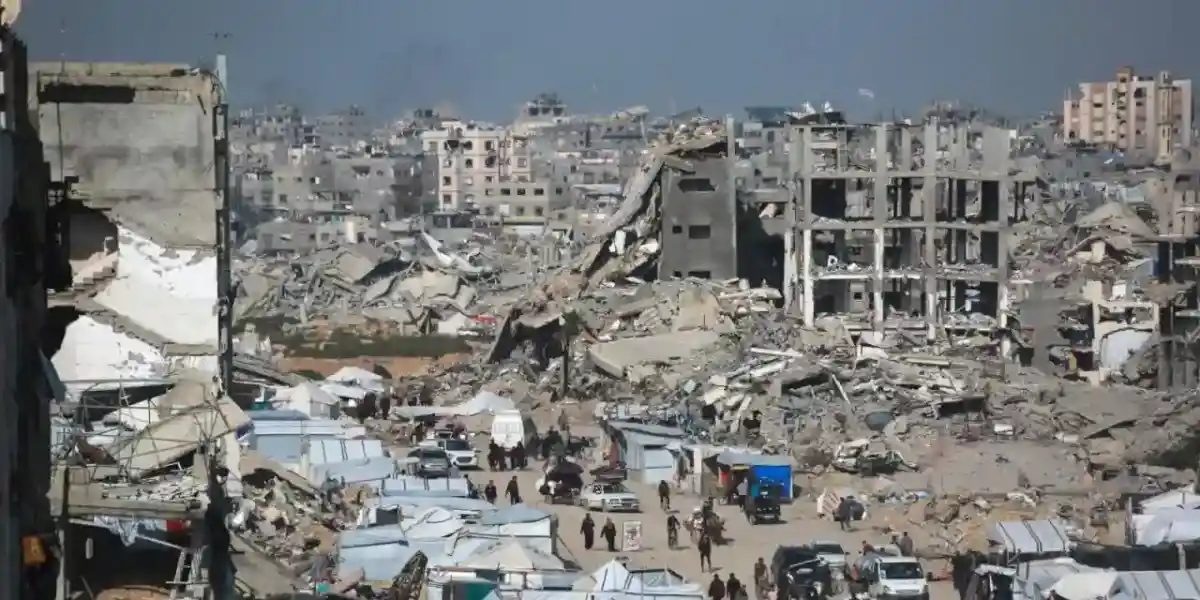
The controversy unfolds against a backdrop of heightened tensions over free speech boundaries in Western democracies, particularly concerning criticism of Israel. Supporters of the barred commentators insist that characterizing Israeli military actions as disproportionate or criminal does not constitute antisemitism, while others argue that certain forms of anti-Israel rhetoric cross the line into demonization that endangers Jewish communities. As SXSW London proceeds without its scheduled speakers this week, the debate over where legitimate political criticism ends and dangerous rhetoric begins shows no signs of resolution. Whether other nations will adopt similar restrictive approaches to controversial political commentators, and how such policies might withstand legal challenges under human rights frameworks protecting freedom of expression, remains an open and increasingly urgent question.
You May Like






Leave a comment